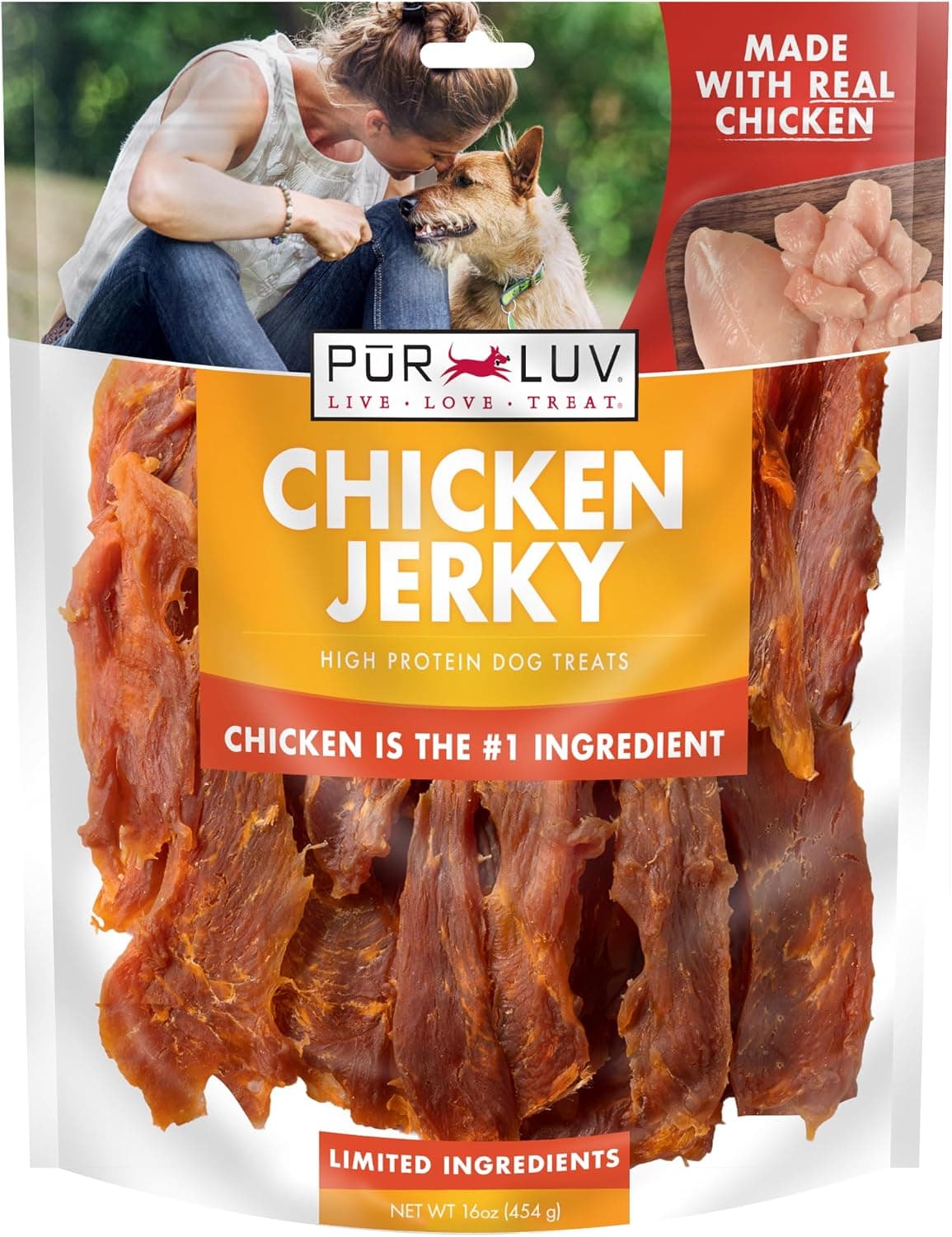
How to Choose the Best Dog Treats
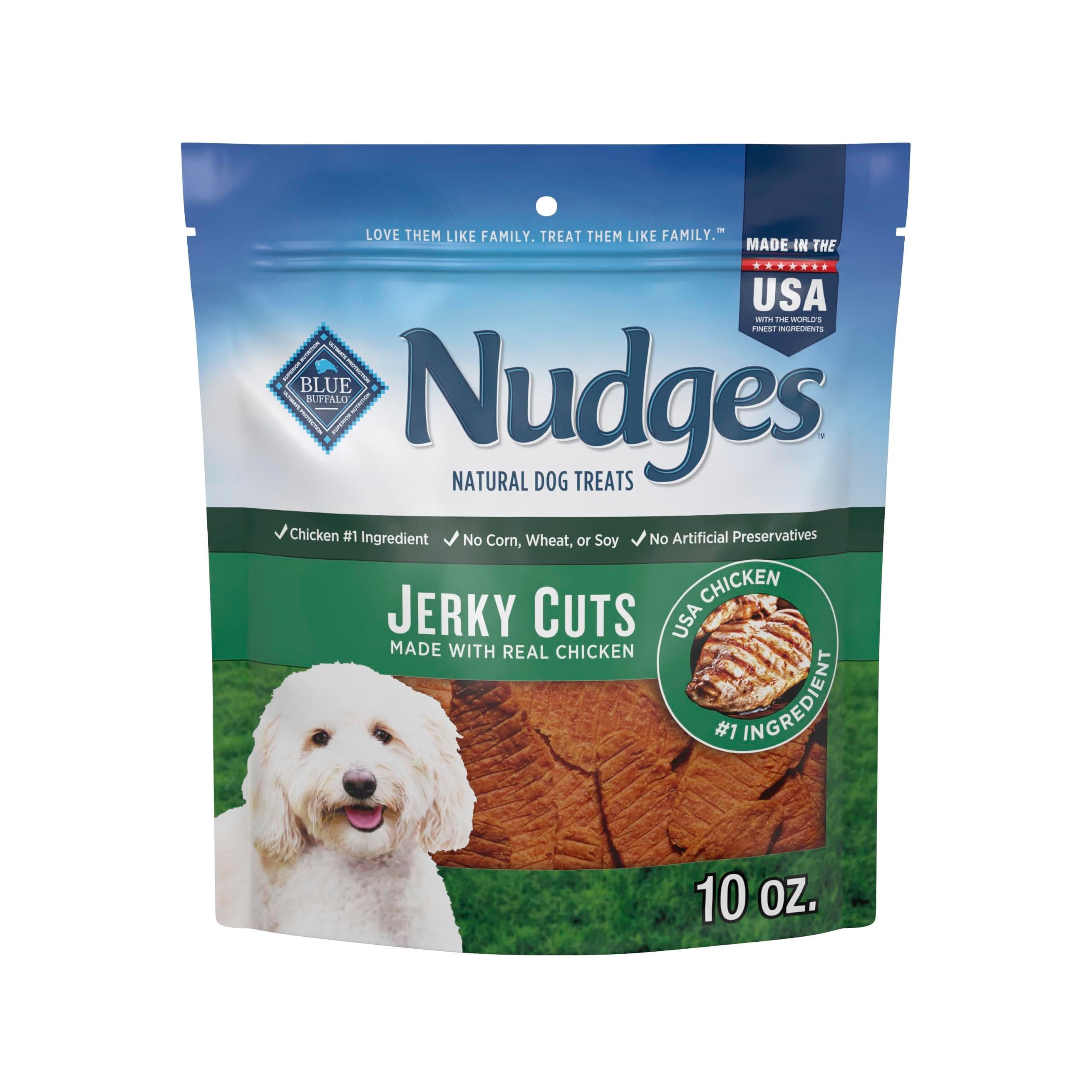
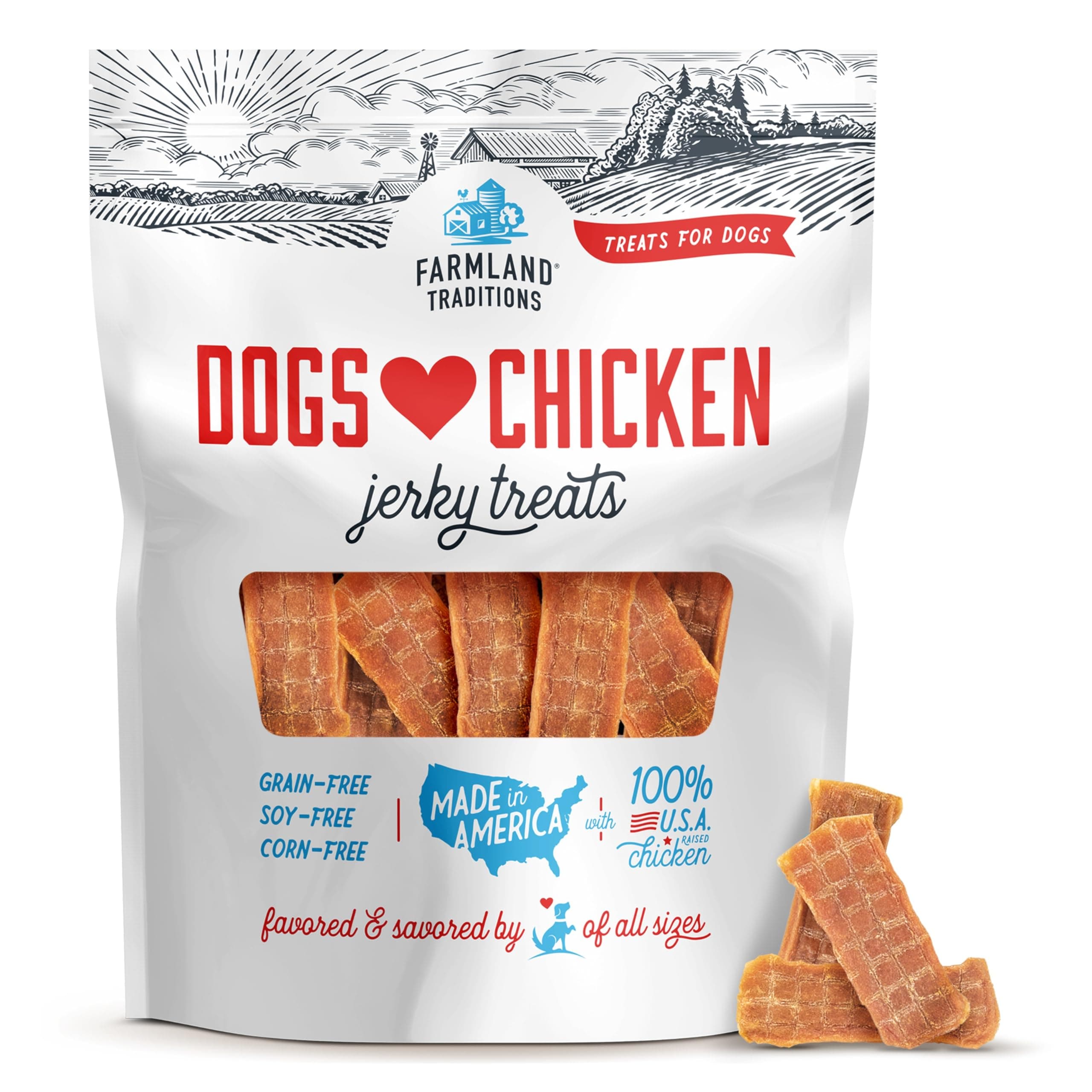
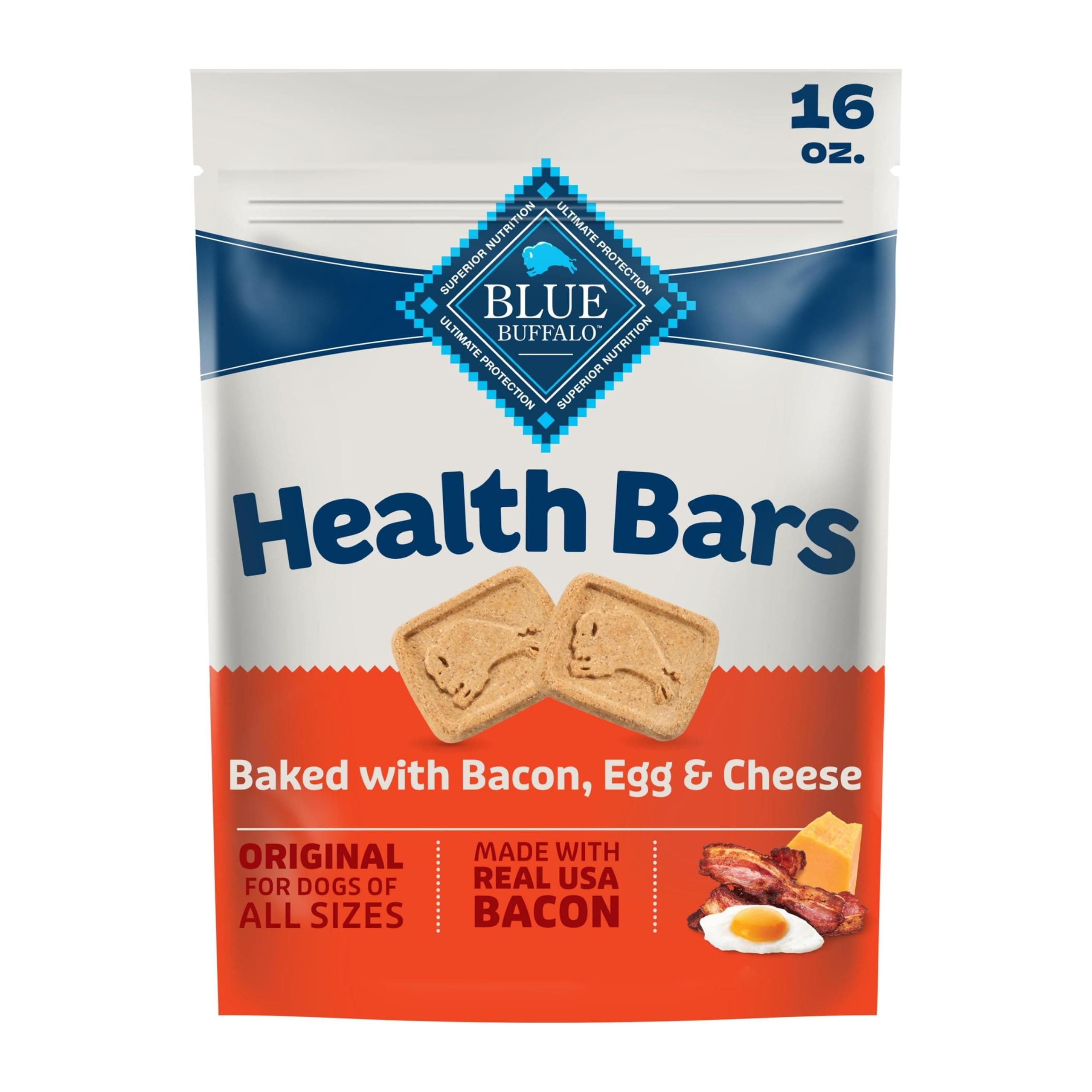
Dog treats can serve different purposes, from rewarding good behavior during training to giving your dog something enjoyable between meals. The right choice depends on your dog's size, life stage, chewing habits, dietary needs and how you plan to use the treat.
At DawgAura, you can browse and compare different types of dog treats, including training treats, dental chews, natural chews, biscuits, soft treats and freeze-dried options. Looking at the ingredients, serving size, texture and intended use can help narrow down the options for your dog.
Types of Dog Treats
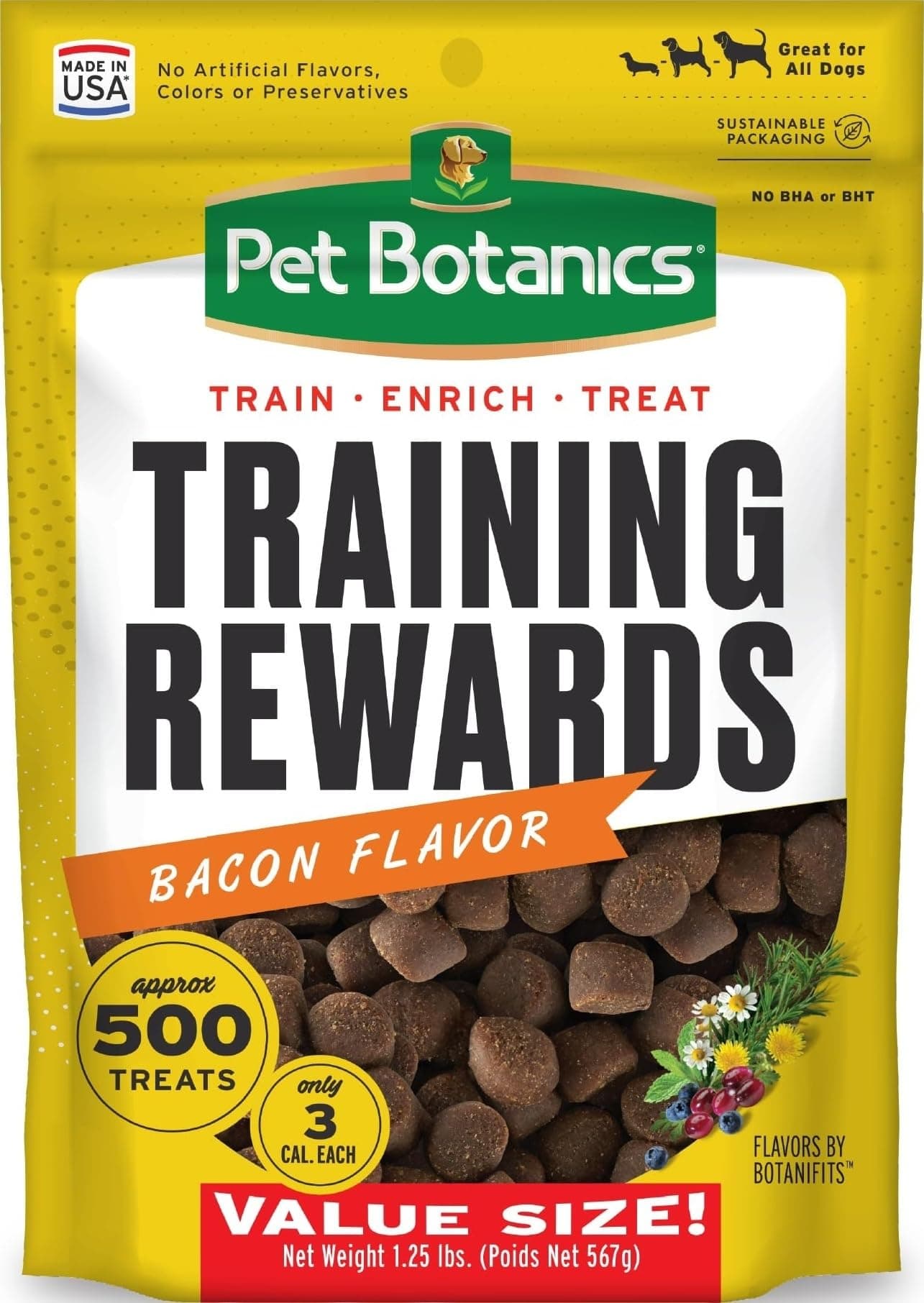
Training Treats
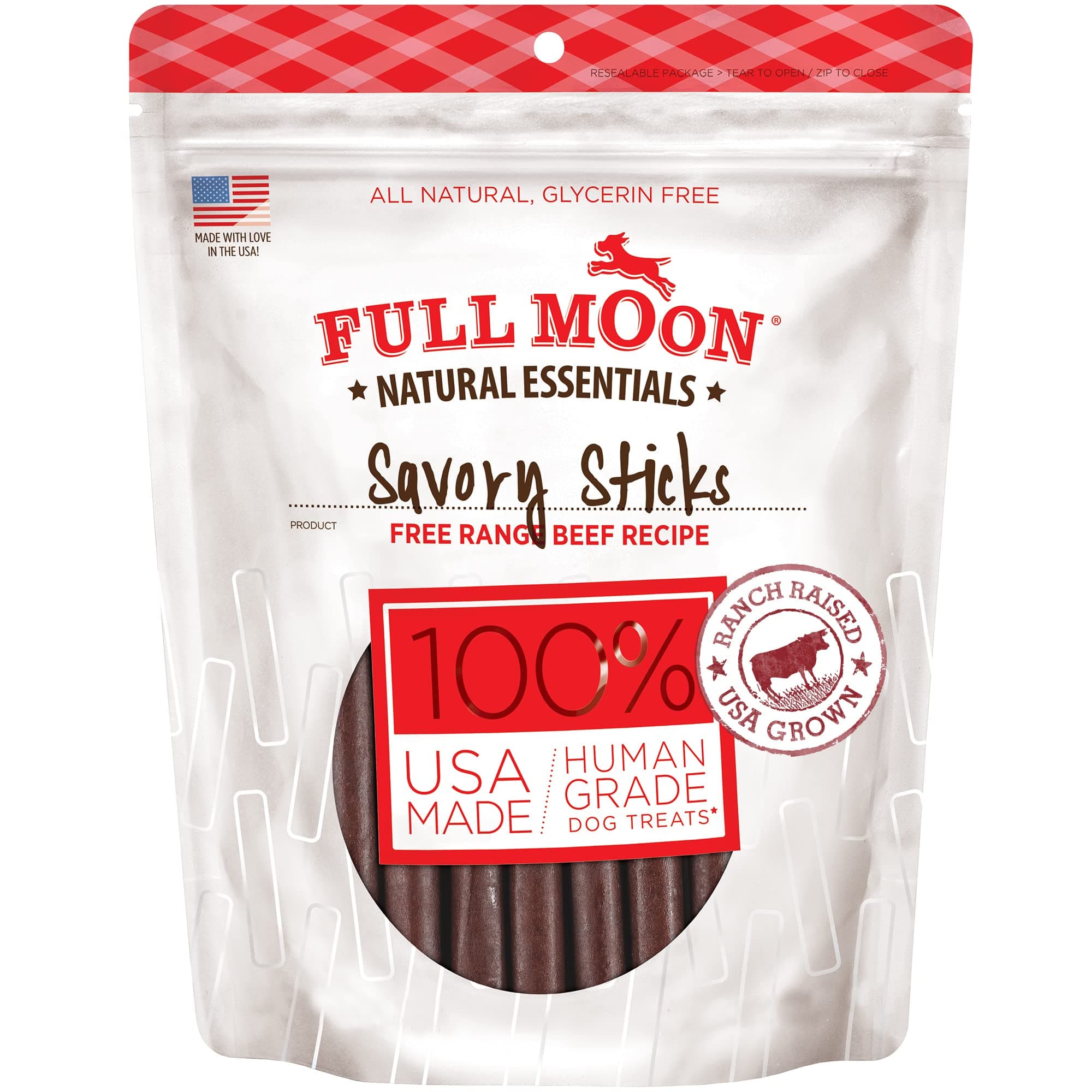
Training treats are typically small and convenient to give frequently during training sessions. Smaller portions can be particularly useful when a dog receives multiple rewards during the same session.
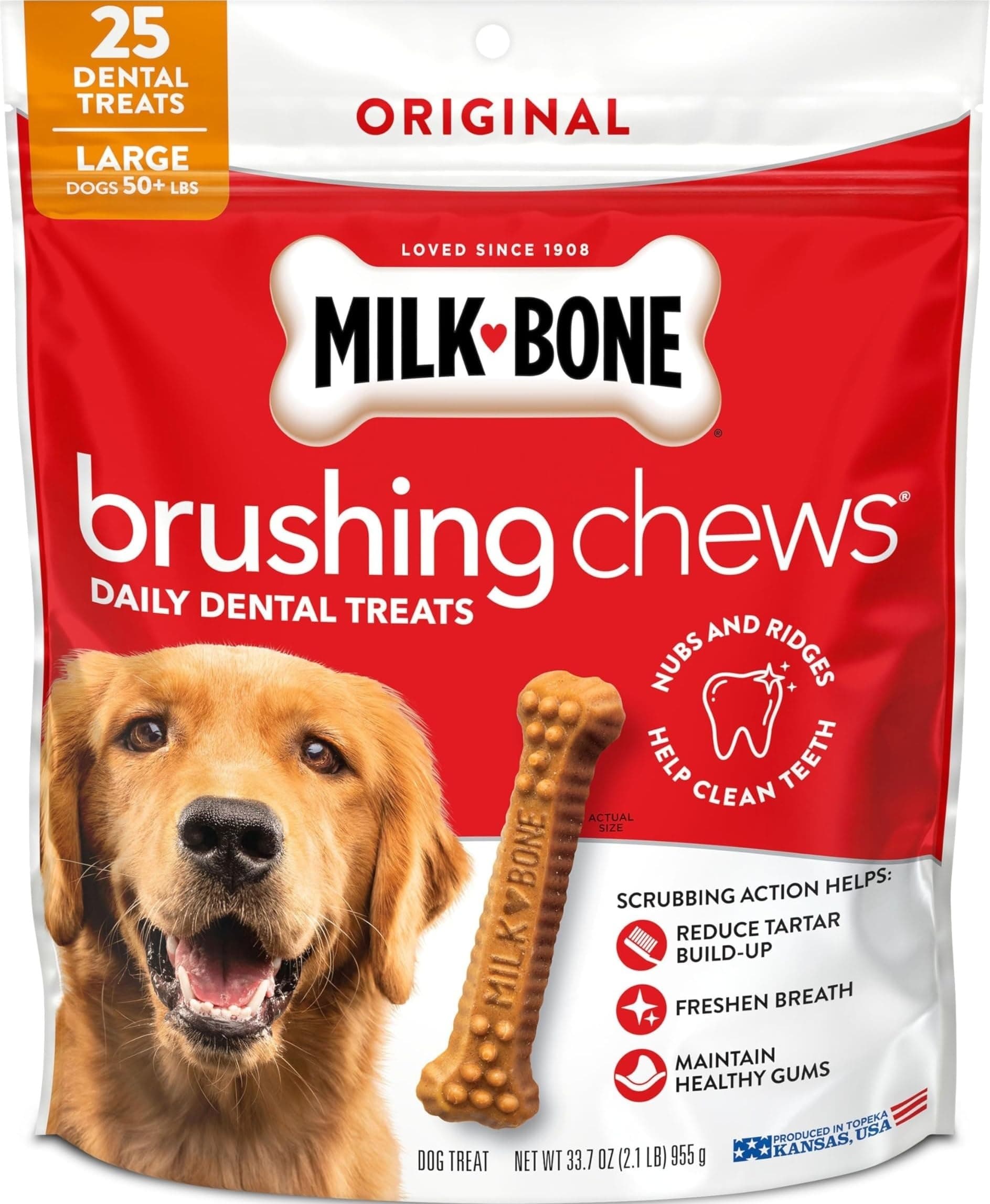
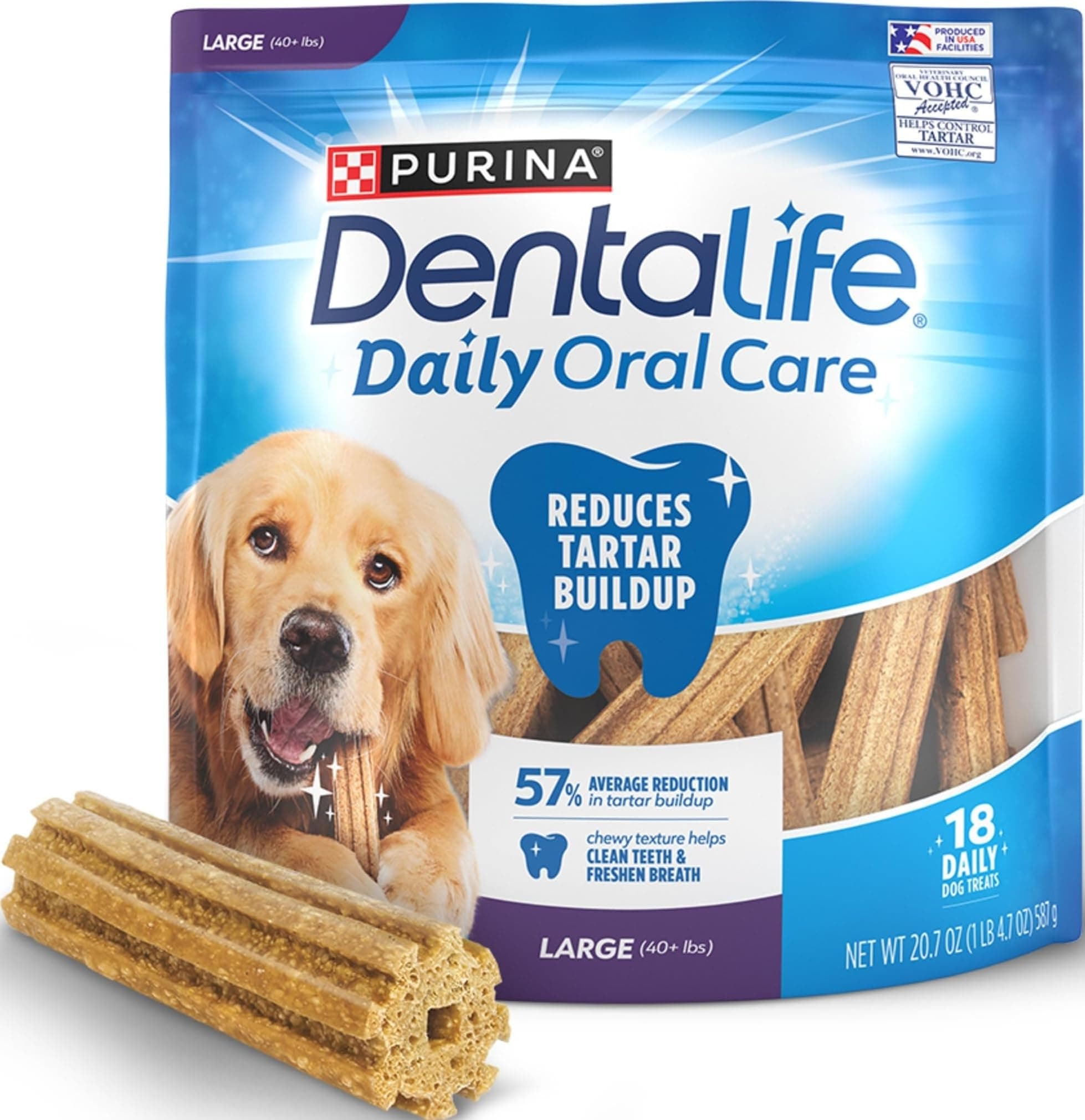
Dental Chews
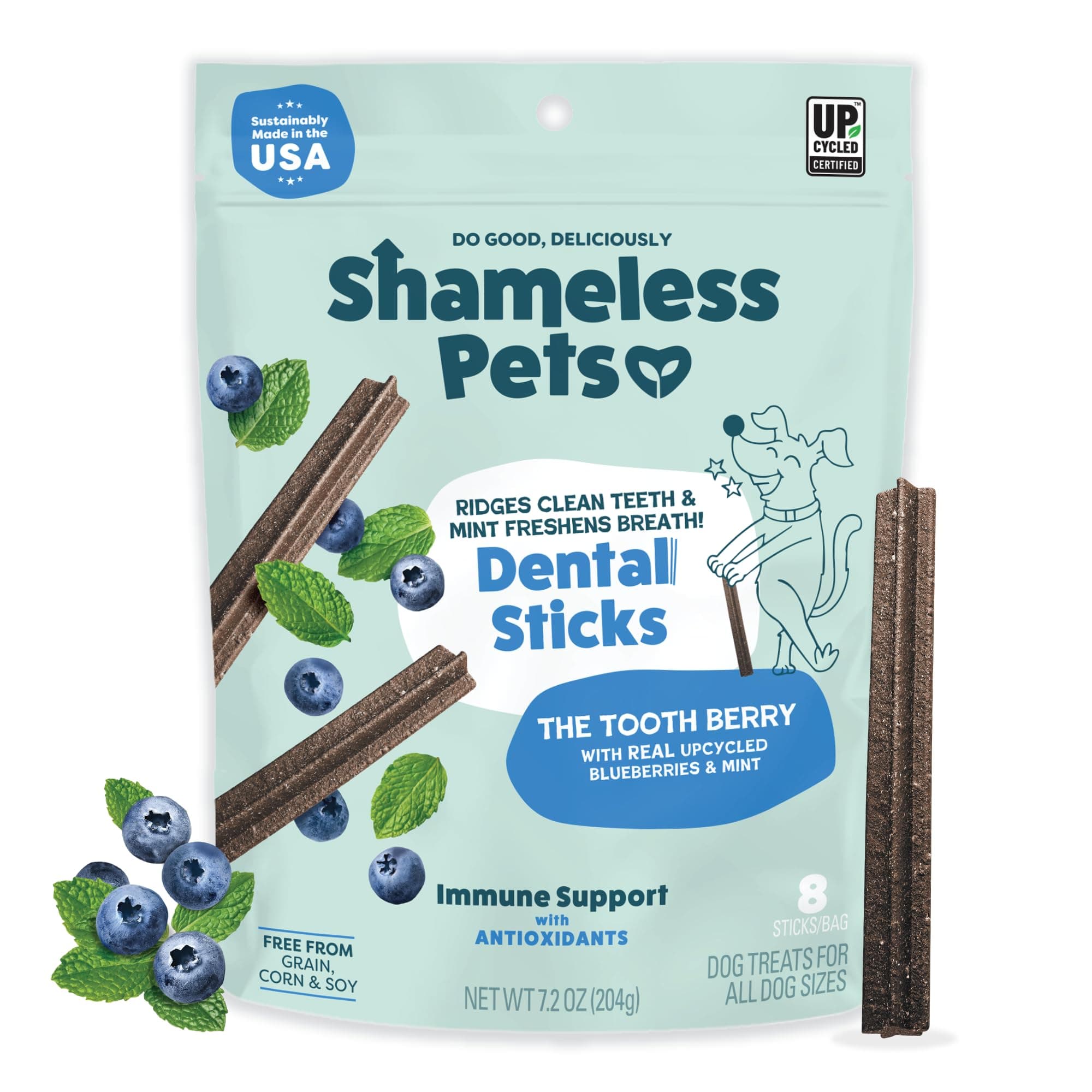
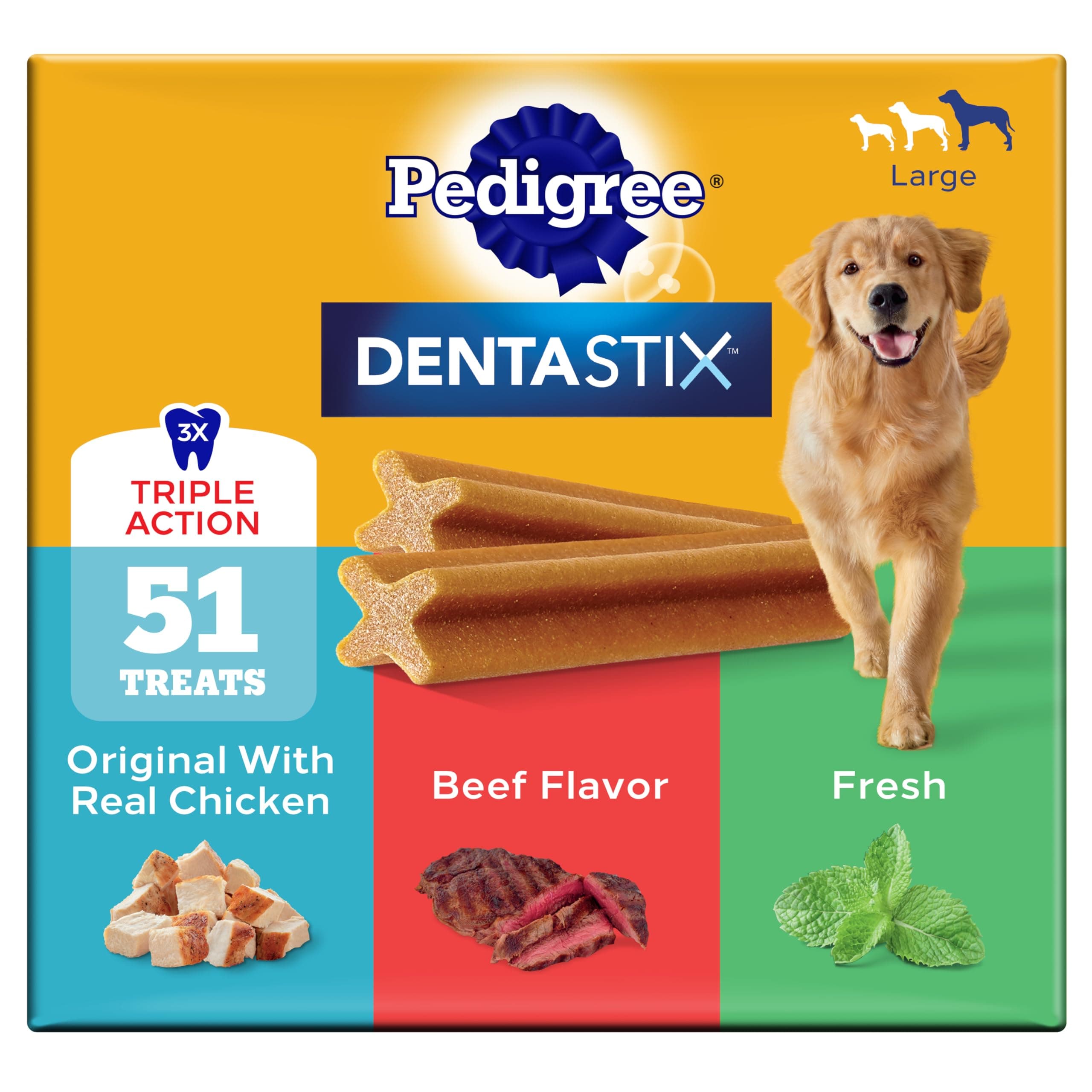
Dental chews are designed to give dogs something to chew while providing a different experience from ordinary treats. Products vary considerably in size, texture and ingredients, so choose one appropriate for your dog's size and chewing behavior.
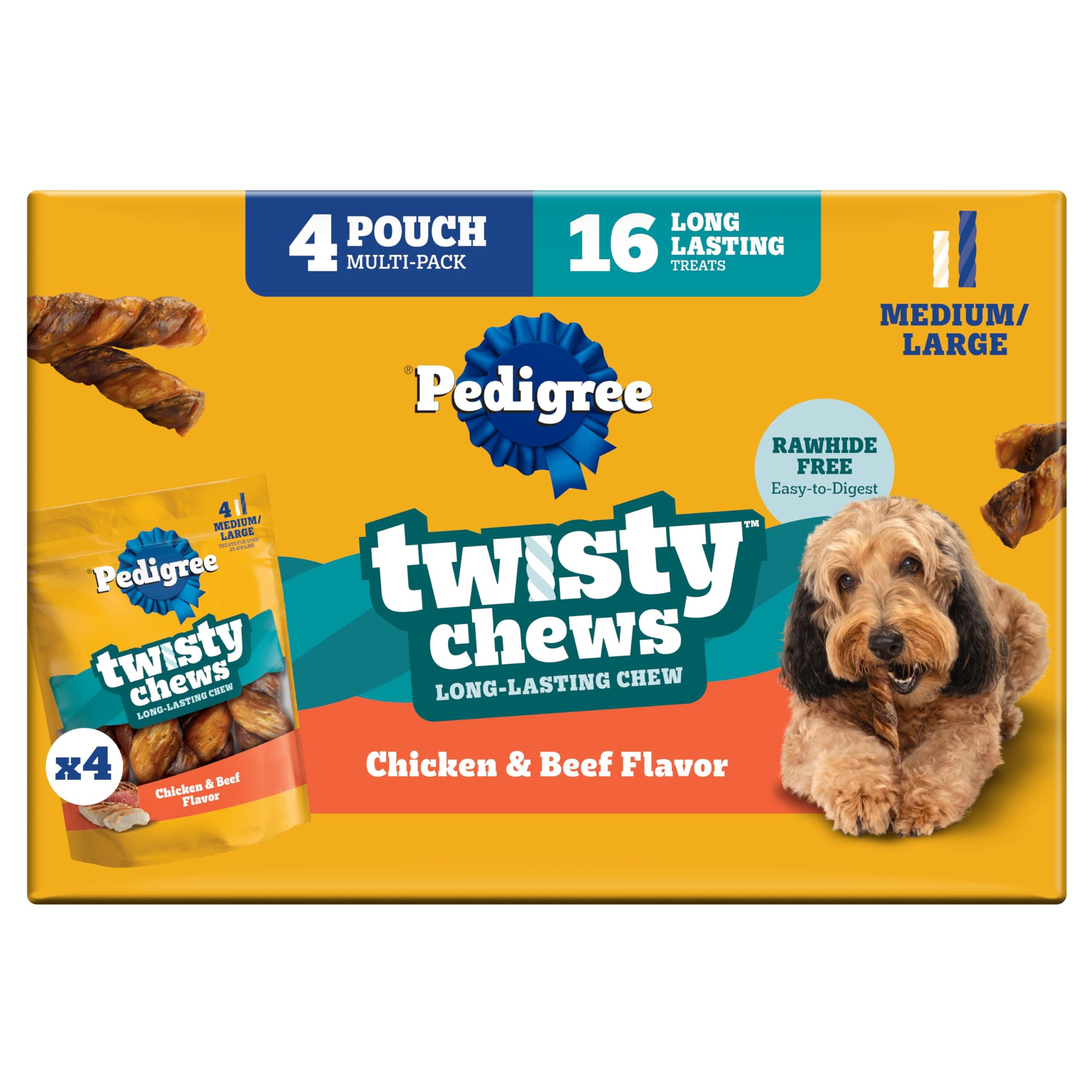
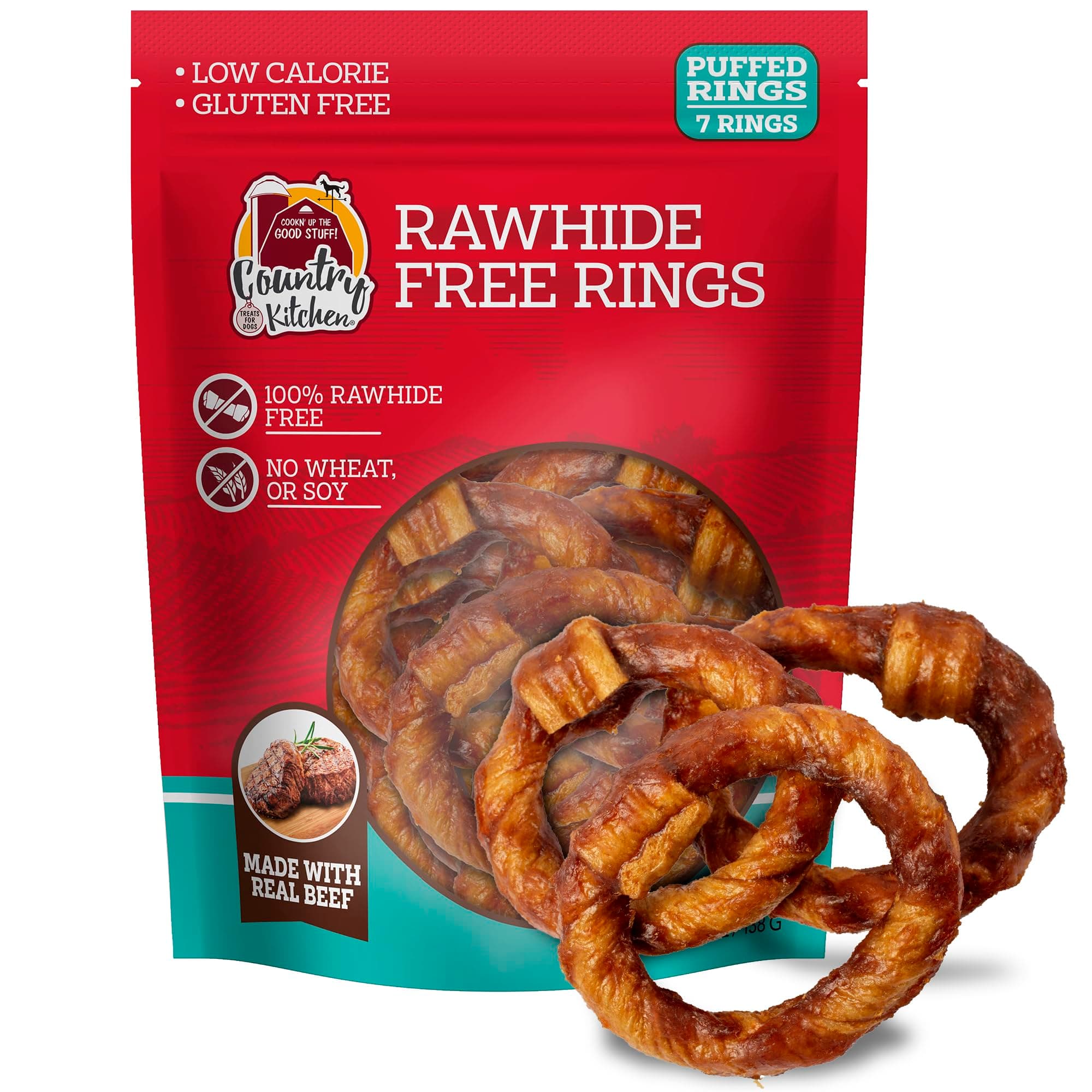
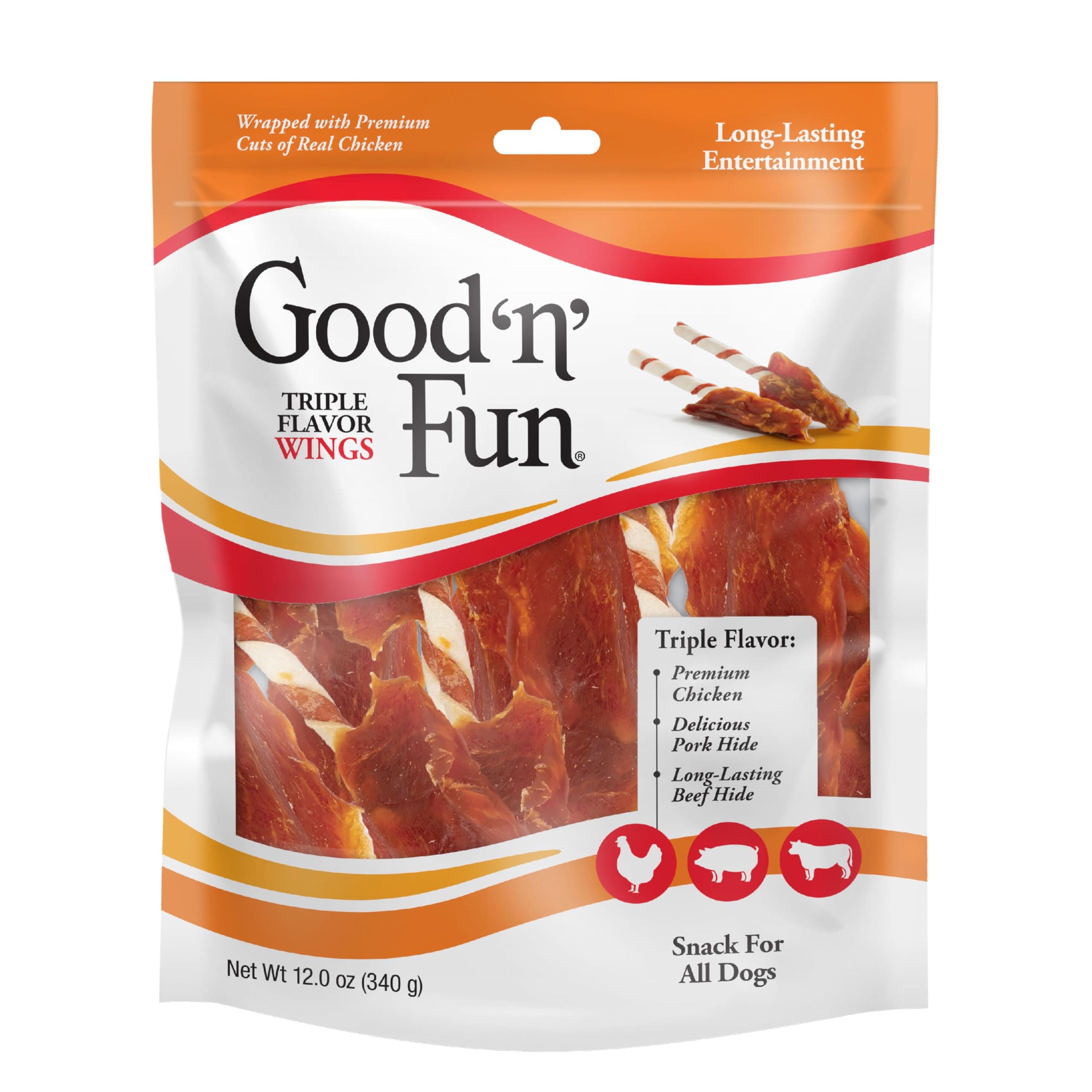
Natural Chews
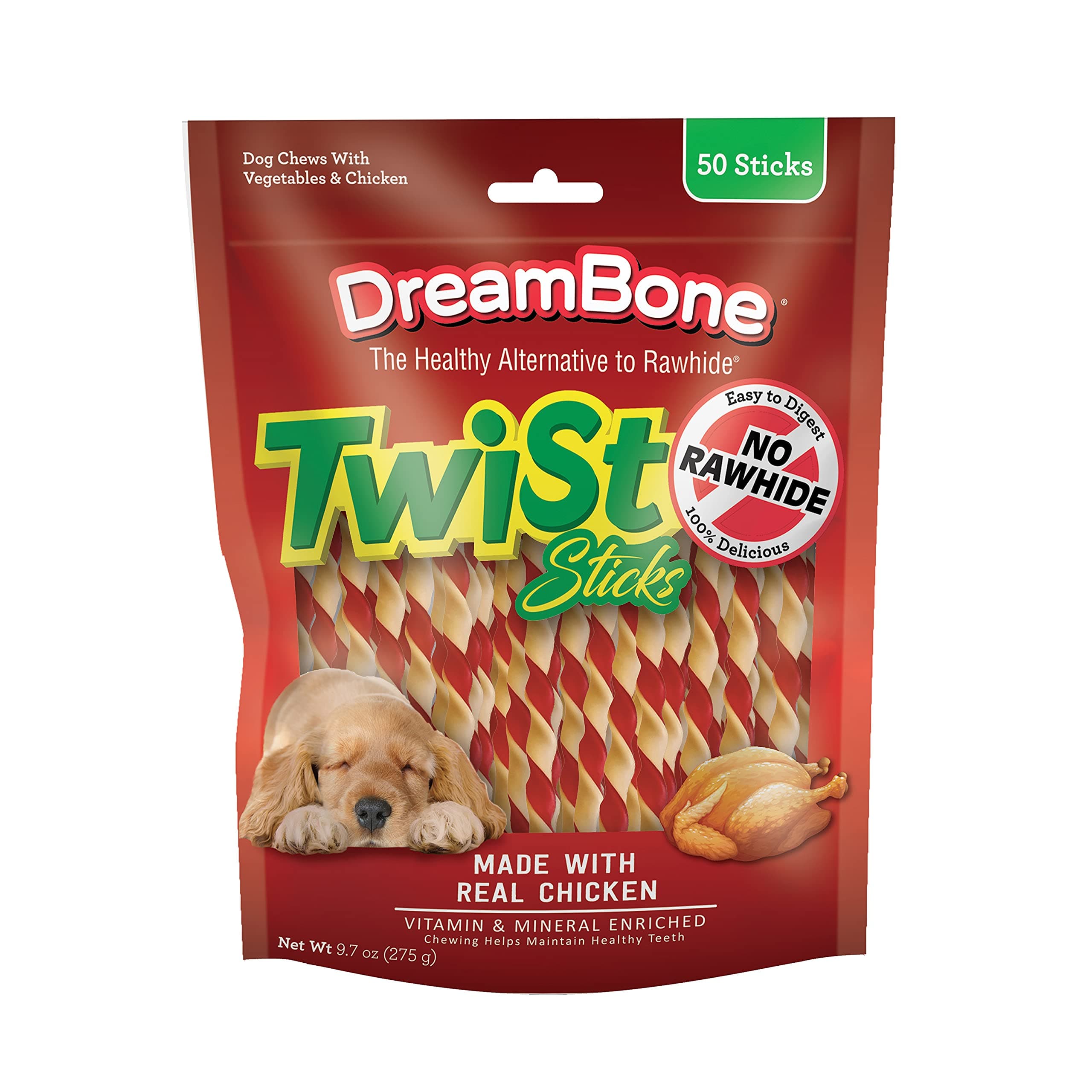
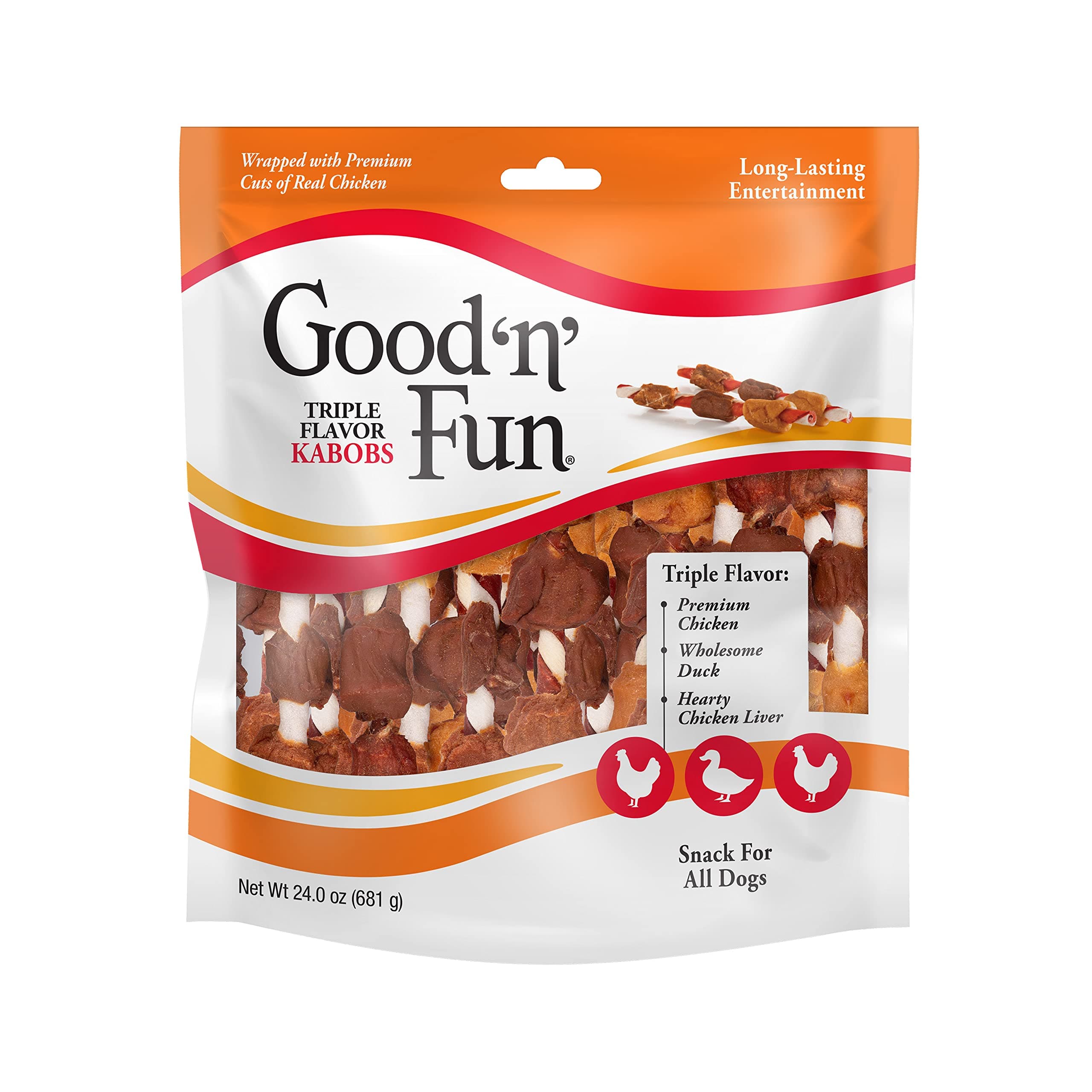
Natural chews are another option for dogs that enjoy longer chewing sessions. Compare ingredients, size and product recommendations before selecting a chew.
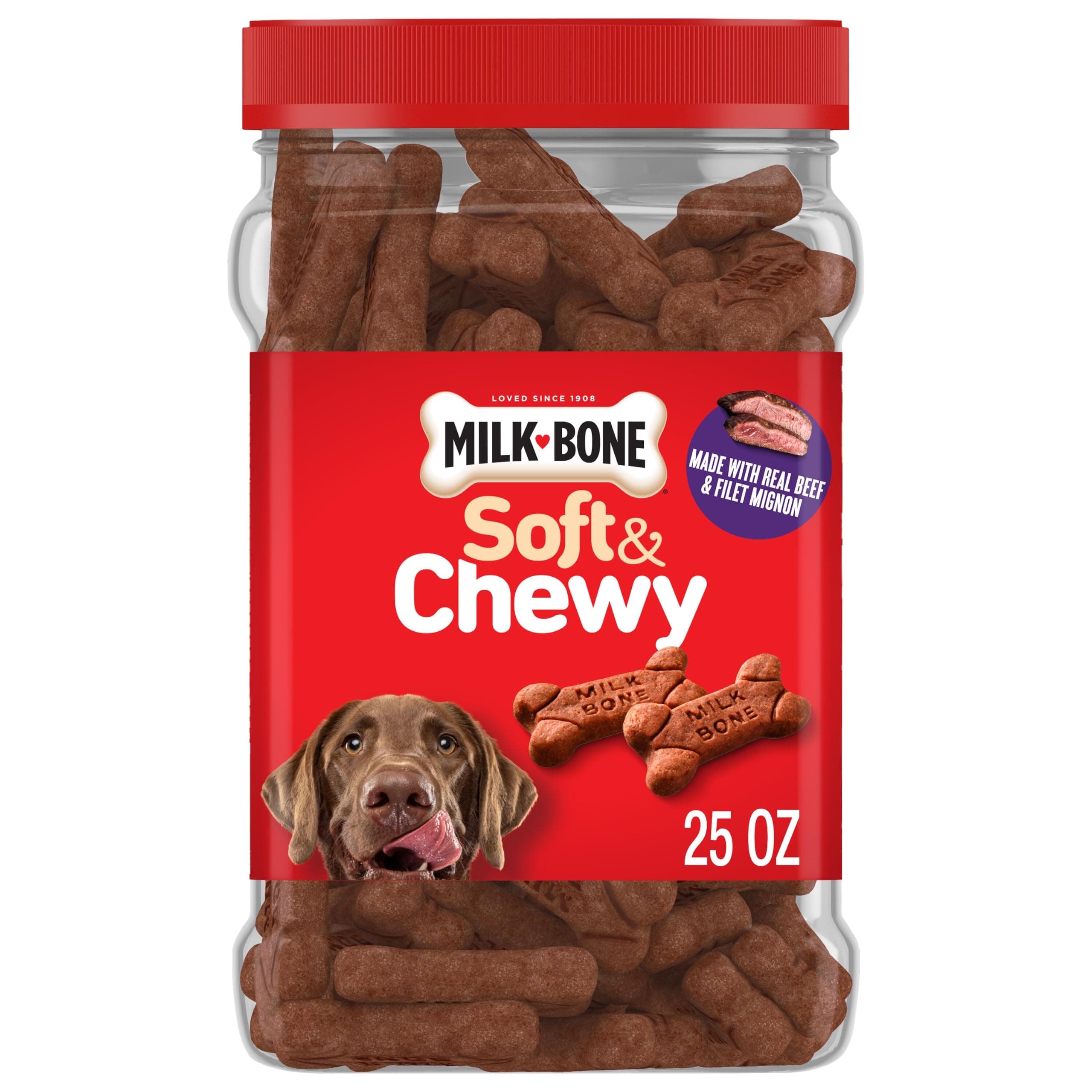
Soft Dog Treats
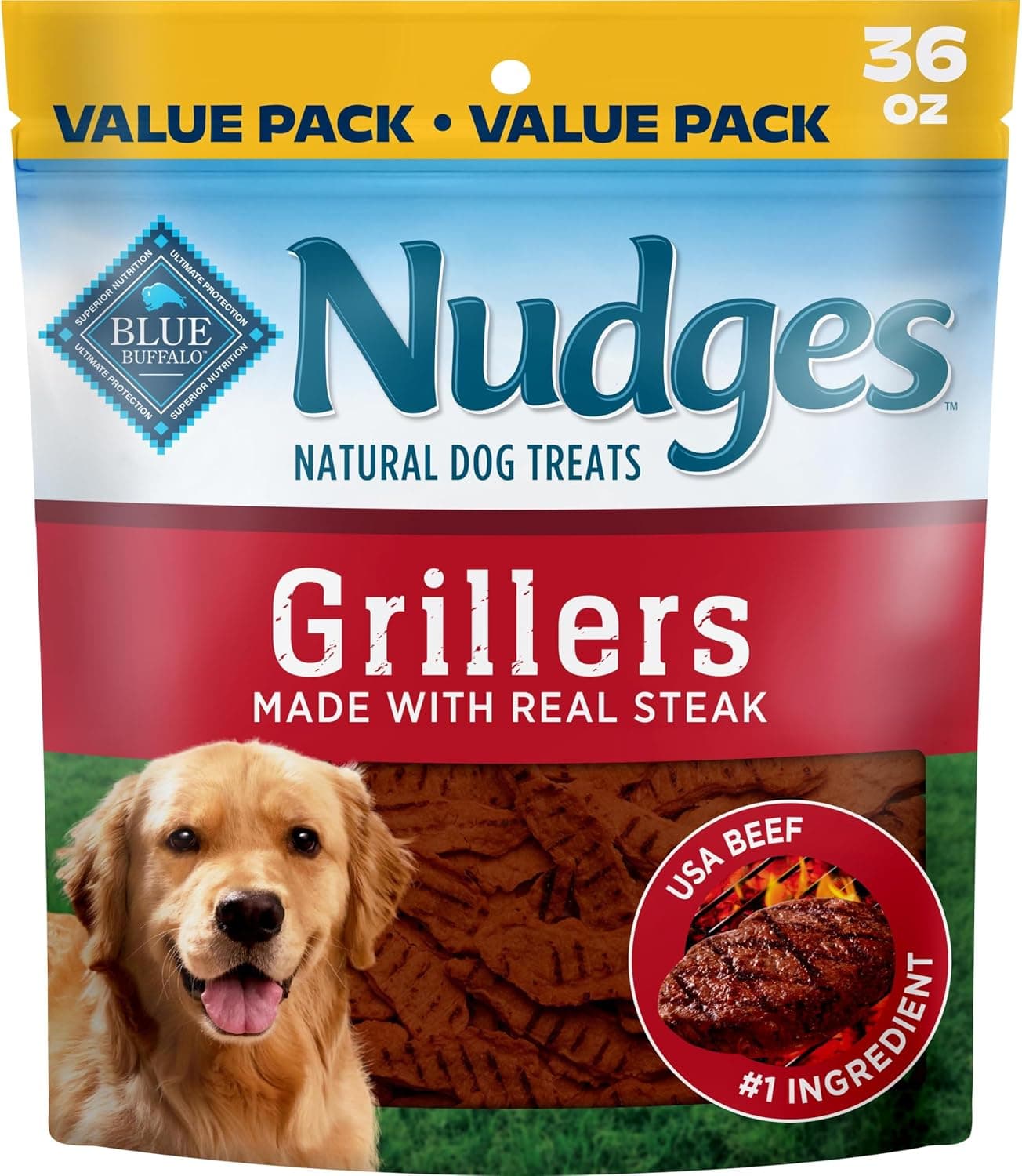
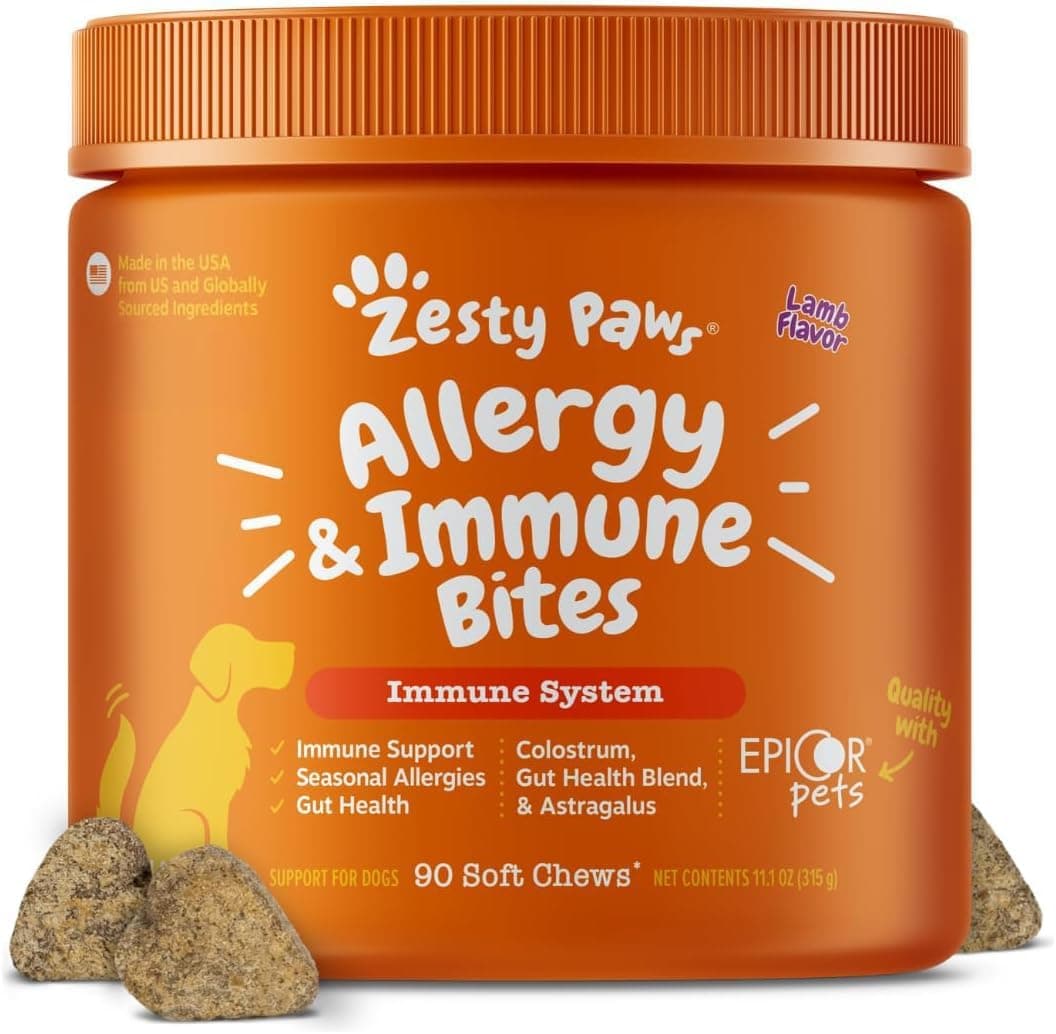
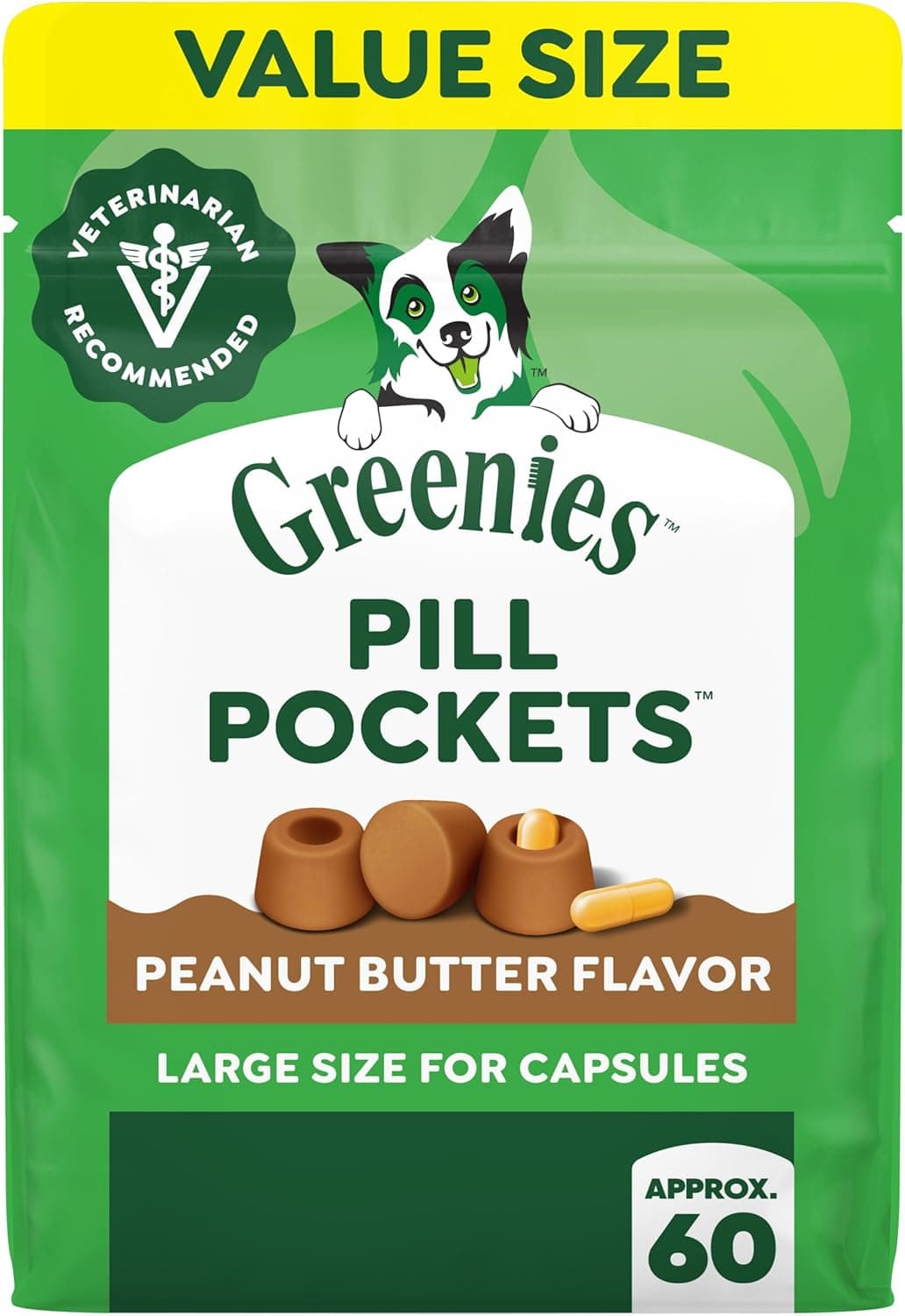
Soft treats can be convenient for training and for dogs that prefer a softer texture. Check the serving guidance and ingredients because products can vary considerably.
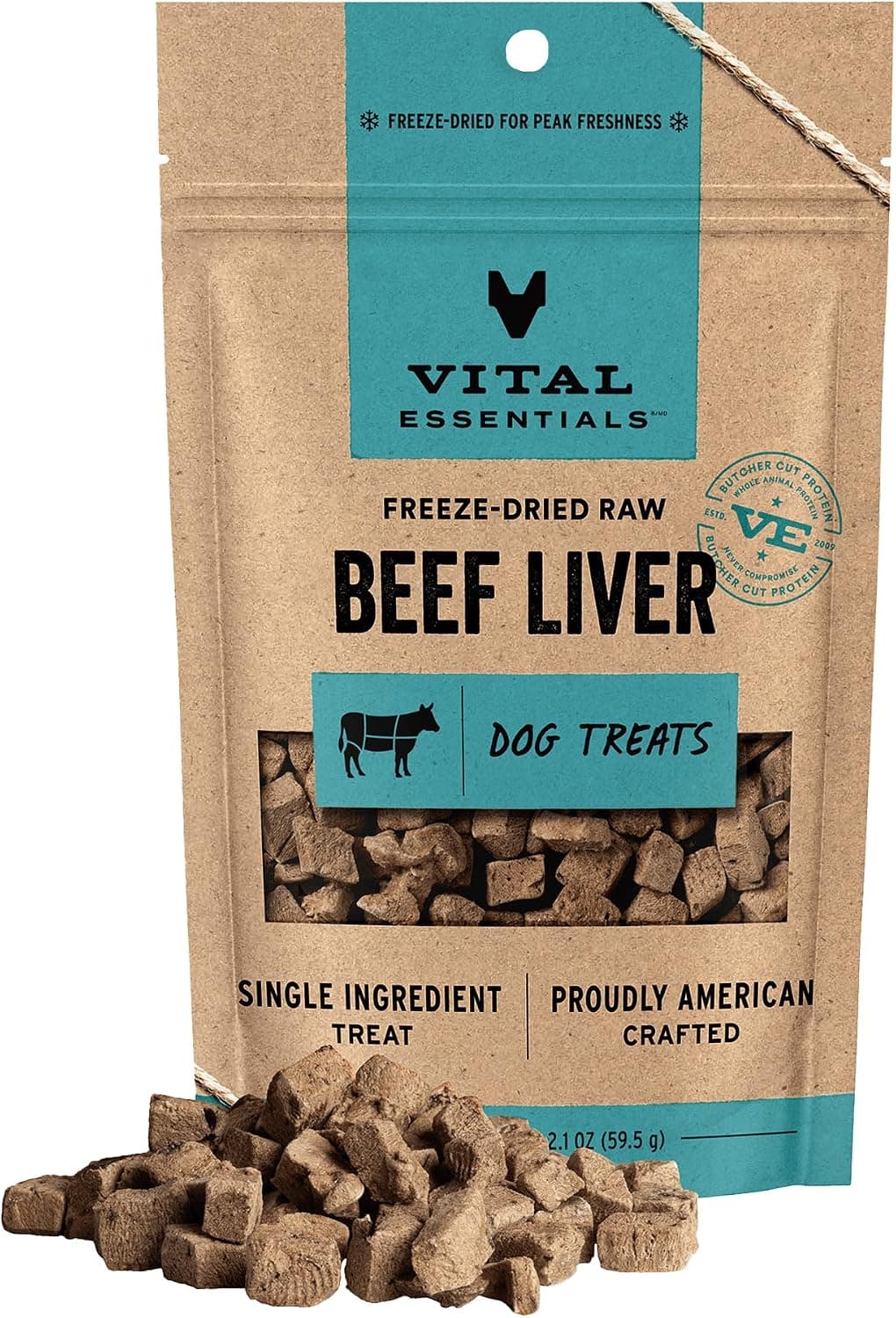
Freeze-Dried Dog Treats
Freeze-dried treats are often made using a relatively small number of ingredients and are available with different protein sources. Compare the ingredient list and feeding instructions when choosing between products.
What Should You Compare When Choosing Dog Treats?
Instead of choosing a treat based only on packaging or popularity, consider several characteristics:
- Ingredients
- Treat size
- Texture
- Calories per serving when available
- Dog size recommendations
- Life-stage recommendations
- Intended use, such as training or chewing
- Dietary preferences or sensitivities
DawgAura brings product information together so you can compare options alongside personalized match scores based on your saved dog's profile. Select a saved dog to see how the available product information matches their profile before taking a closer look.
Choosing Treats for Different Dogs
There isn't one treat that is best for every dog. A small training reward may work well for frequent reinforcement, while dogs that enjoy chewing may need a completely different type of treat.
Your dog's size, age, activity, chewing behavior and dietary requirements should therefore be considered when comparing products.
Manage your dog's profile on DawgAura.
Frequently Asked Questions About Dog Treats
What are the best dog treats?
The best choice depends on the individual dog and the purpose of the treat. Consider ingredients, portion size, texture, your dog's size and life stage, and whether you need the treat for training, chewing or occasional rewards.
What treats are good for dog training?
Small treats that are easy to portion and give quickly can be convenient during training. Because training can involve many rewards, serving size and calories are also worth considering.
Are soft or crunchy treats better?
Neither is automatically better. Texture is mainly a matter of the product's purpose and your dog's preferences and chewing ability. Some dogs enjoy crunchy biscuits while others prefer softer treats.
How many treats should I give my dog?
Treats should complement rather than replace a dog's regular, complete diet. Follow the feeding guidance for the specific product and take the treat calories into account when considering the dog's overall daily intake.
How do I compare dog treats?
Start with the intended purpose and then compare ingredients, serving size, calories when available, texture, dog-size recommendations and other relevant product information.
Compare Dog Treats using DawgAura's product comparison feature.