How to Choose Dog Food
Choosing dog food involves more than picking a popular brand. Dogs can have different nutritional requirements depending on their age, size, activity level, body condition, preferences, and individual dietary needs.
When comparing foods, consider the food type, ingredient list, life-stage guidance, feeding recommendations, calorie information when available, and any dietary requirements relevant to your dog.
DawgAura brings these details together with personalized match scores based on your saved dog’s profile, helping you narrow down products before looking at individual foods in more detail.
Types of Dog Food
Different food formats offer different characteristics. The right choice depends on your dog as well as practical factors such as feeding preferences, storage, convenience, and budget.
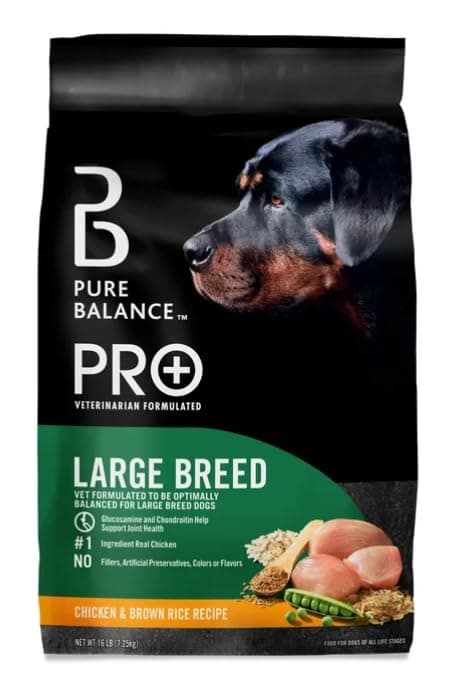
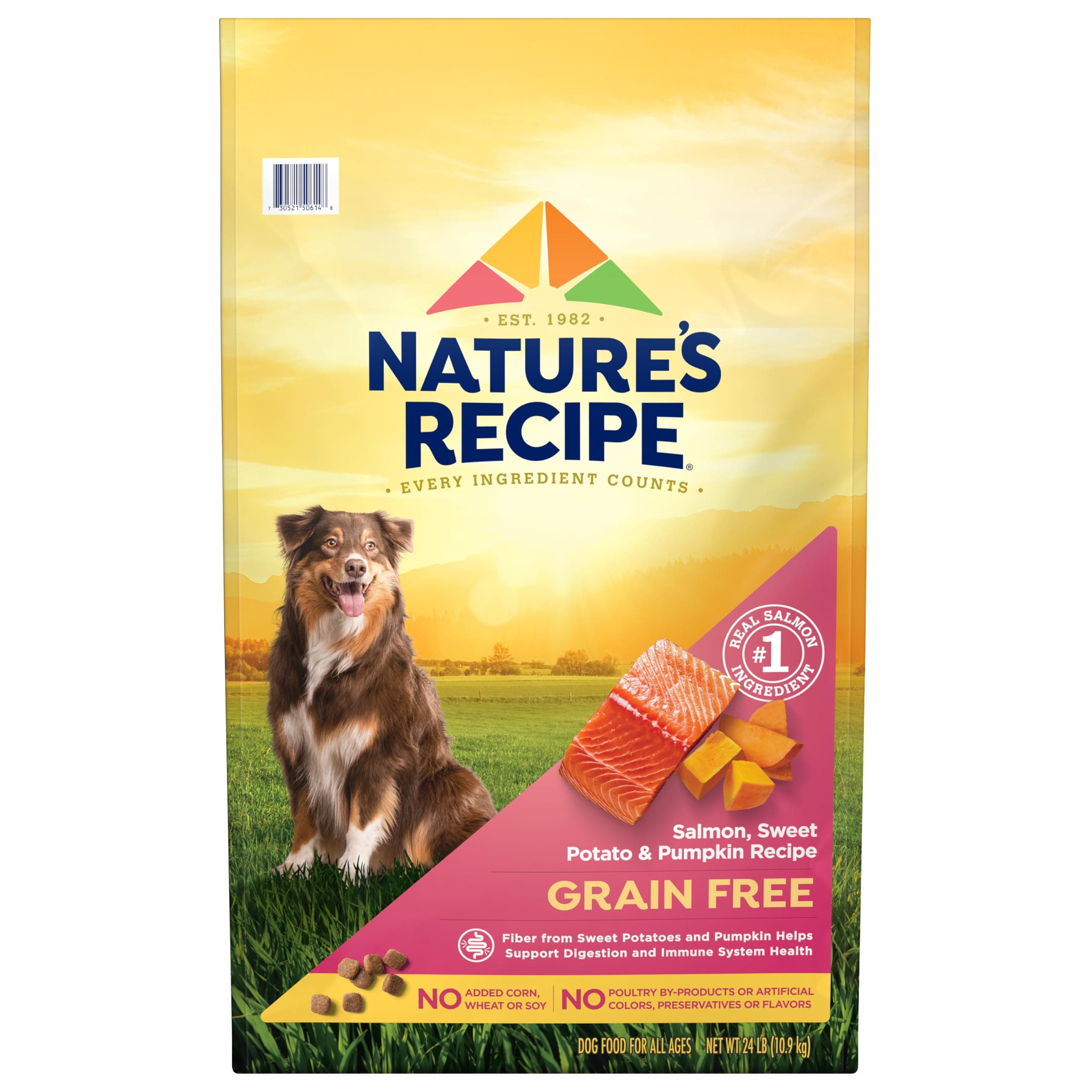
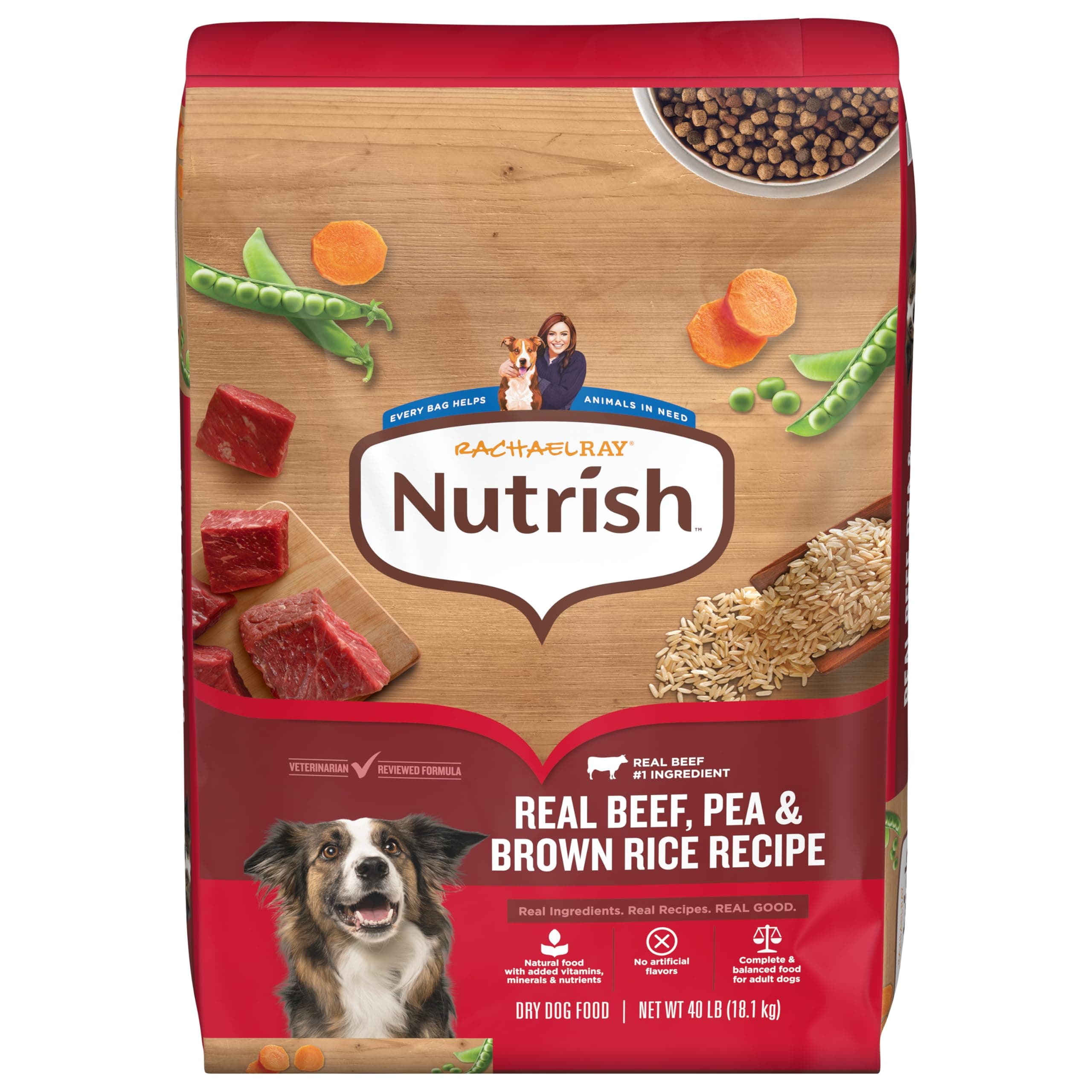
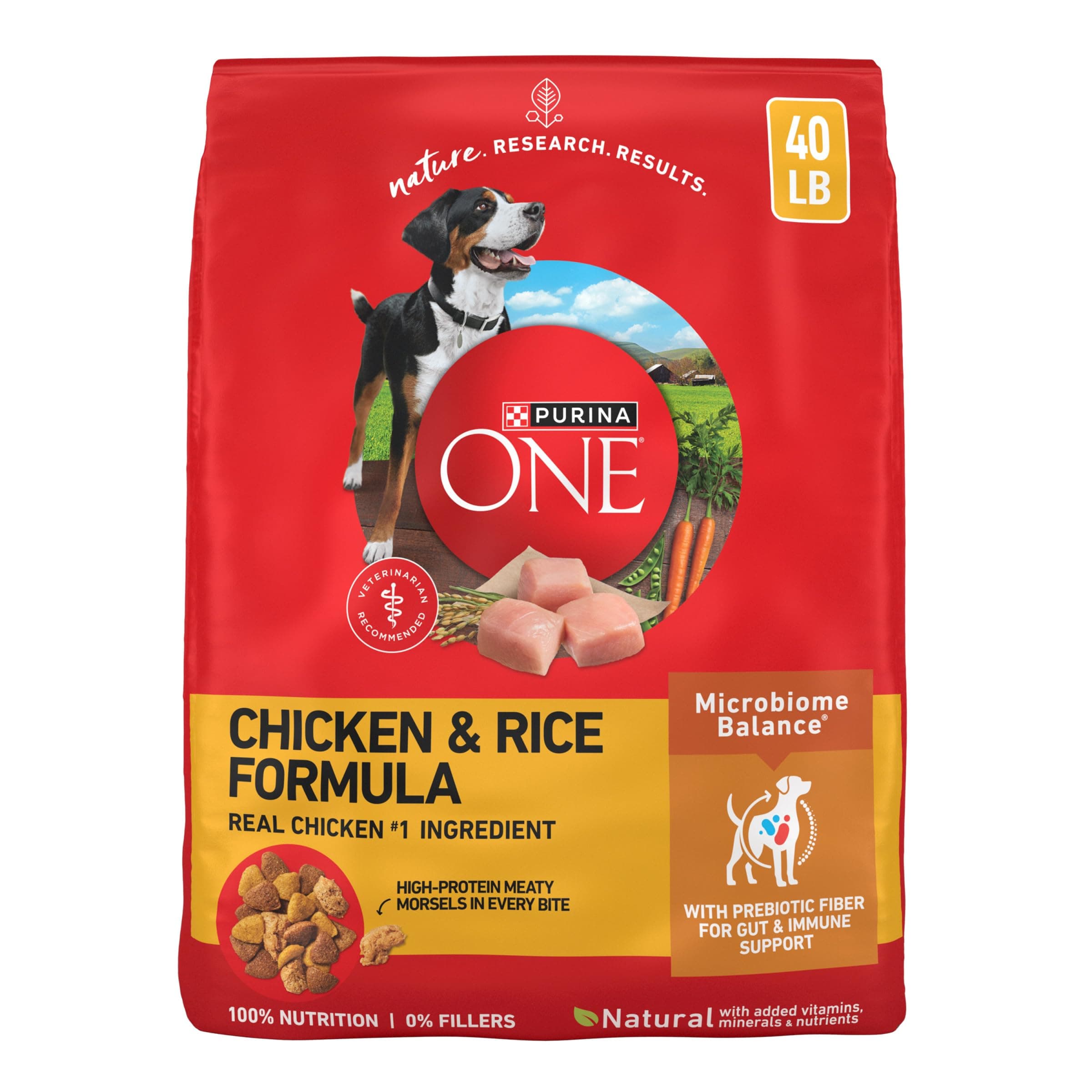
Dry Dog Food
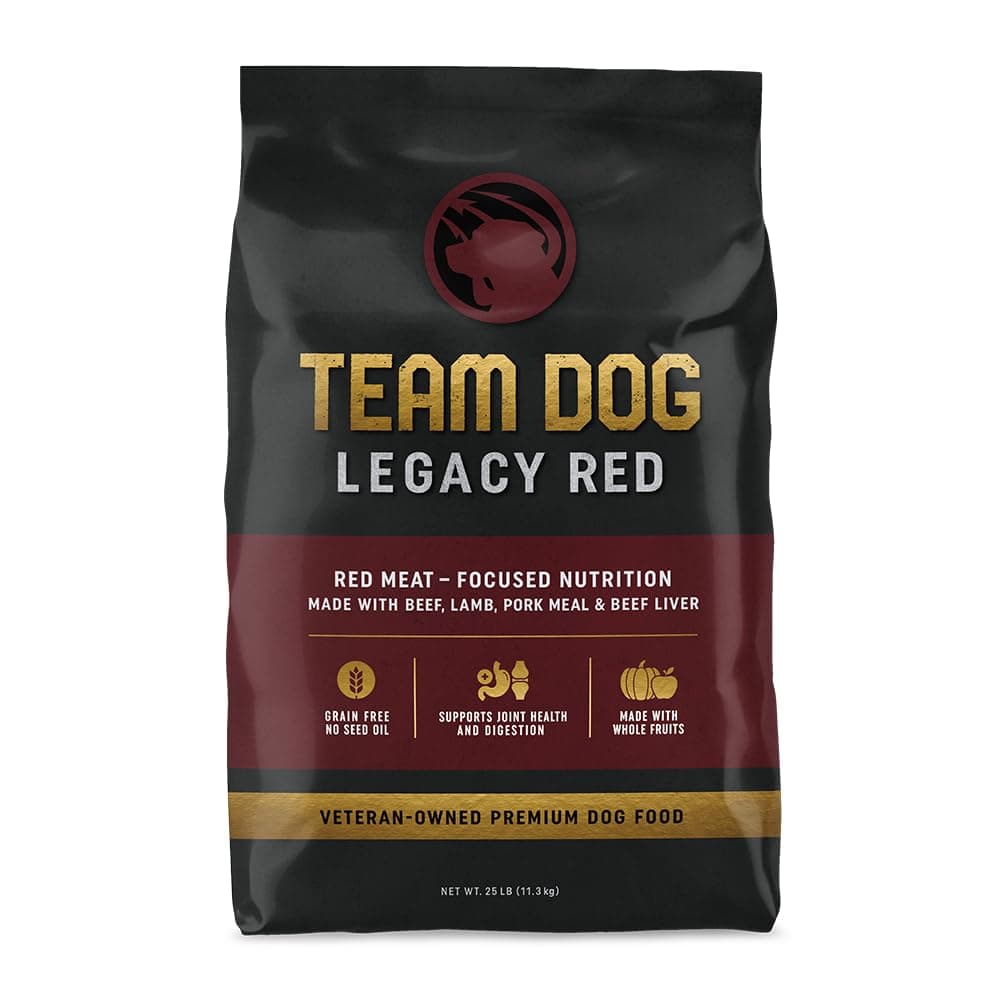
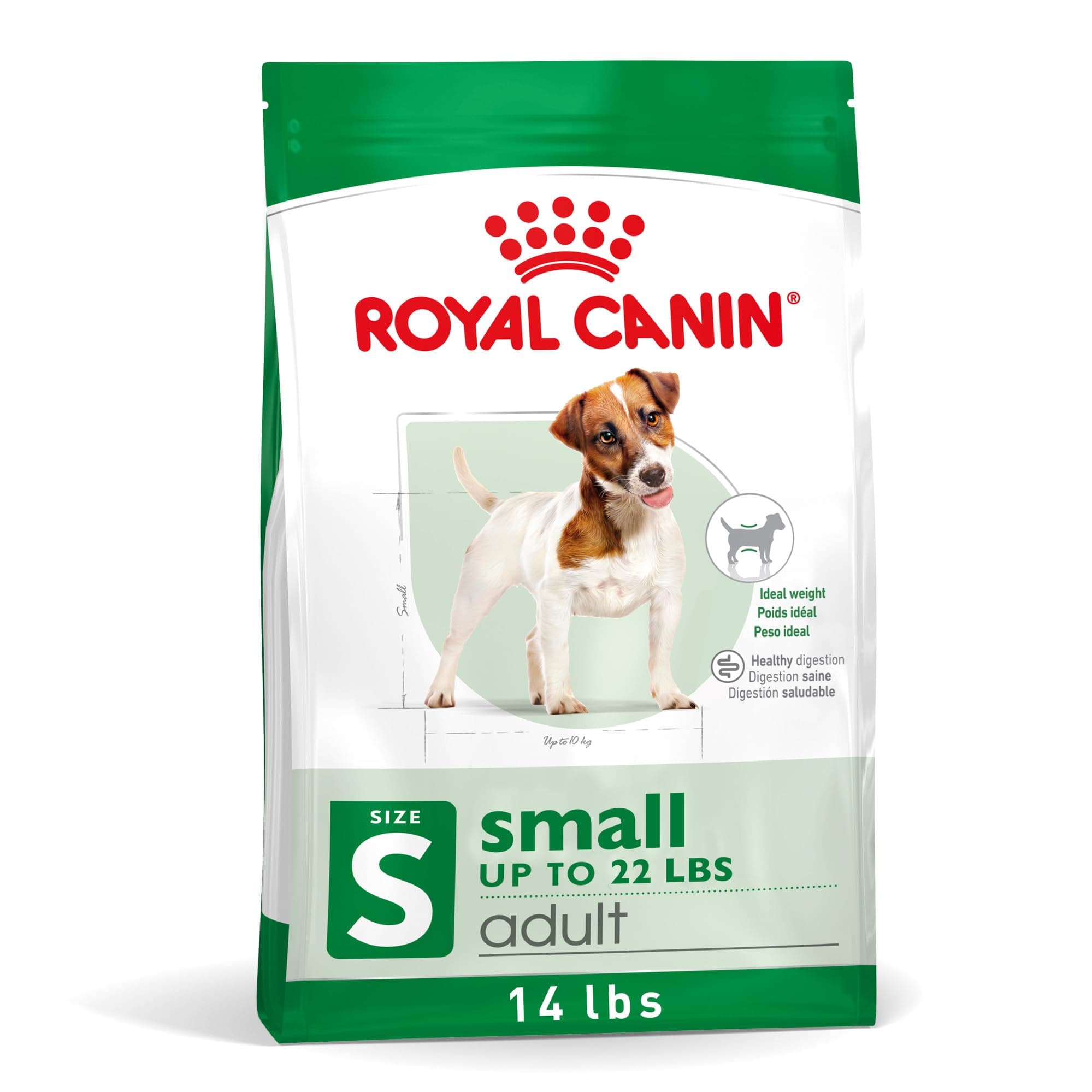
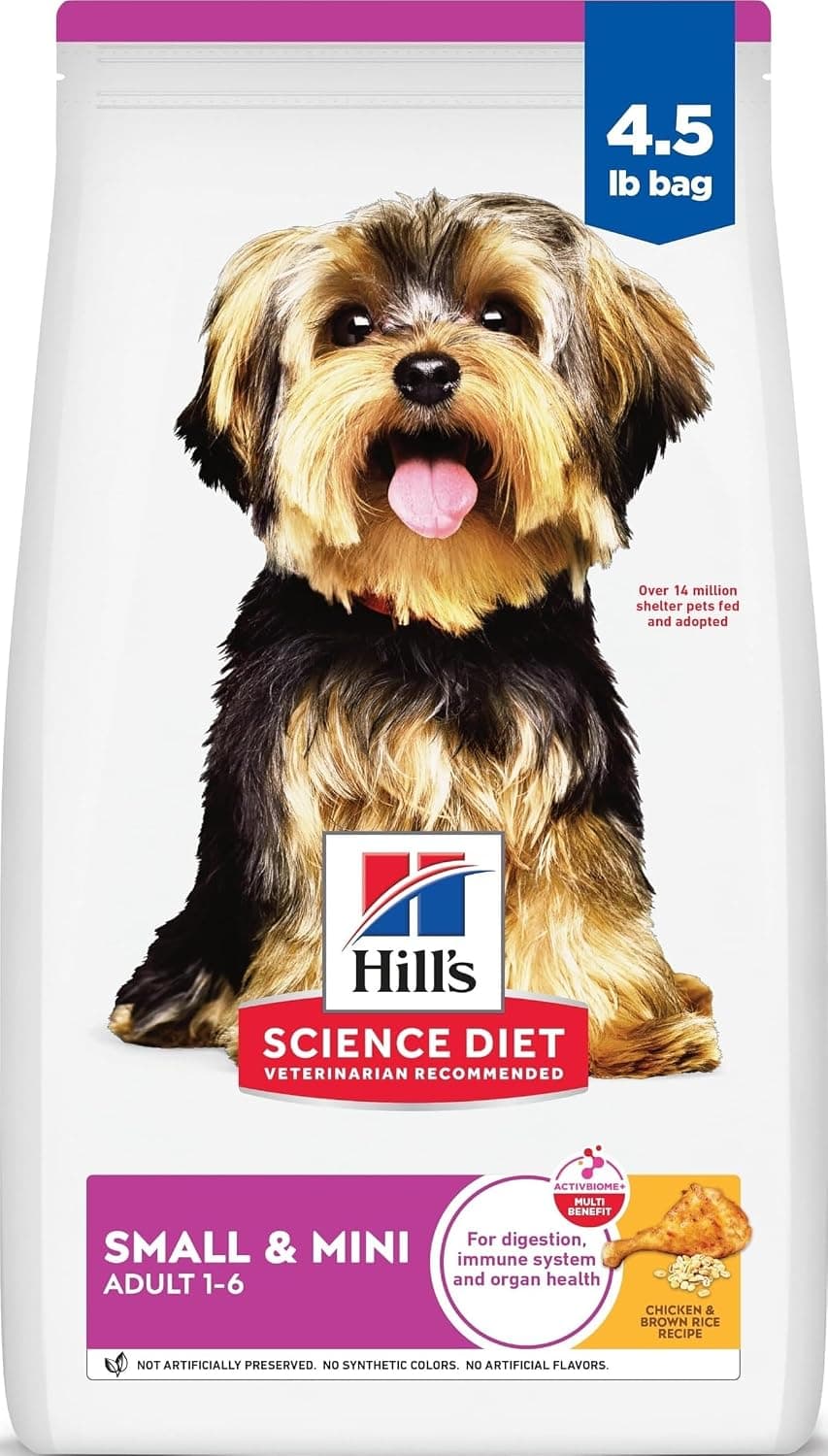
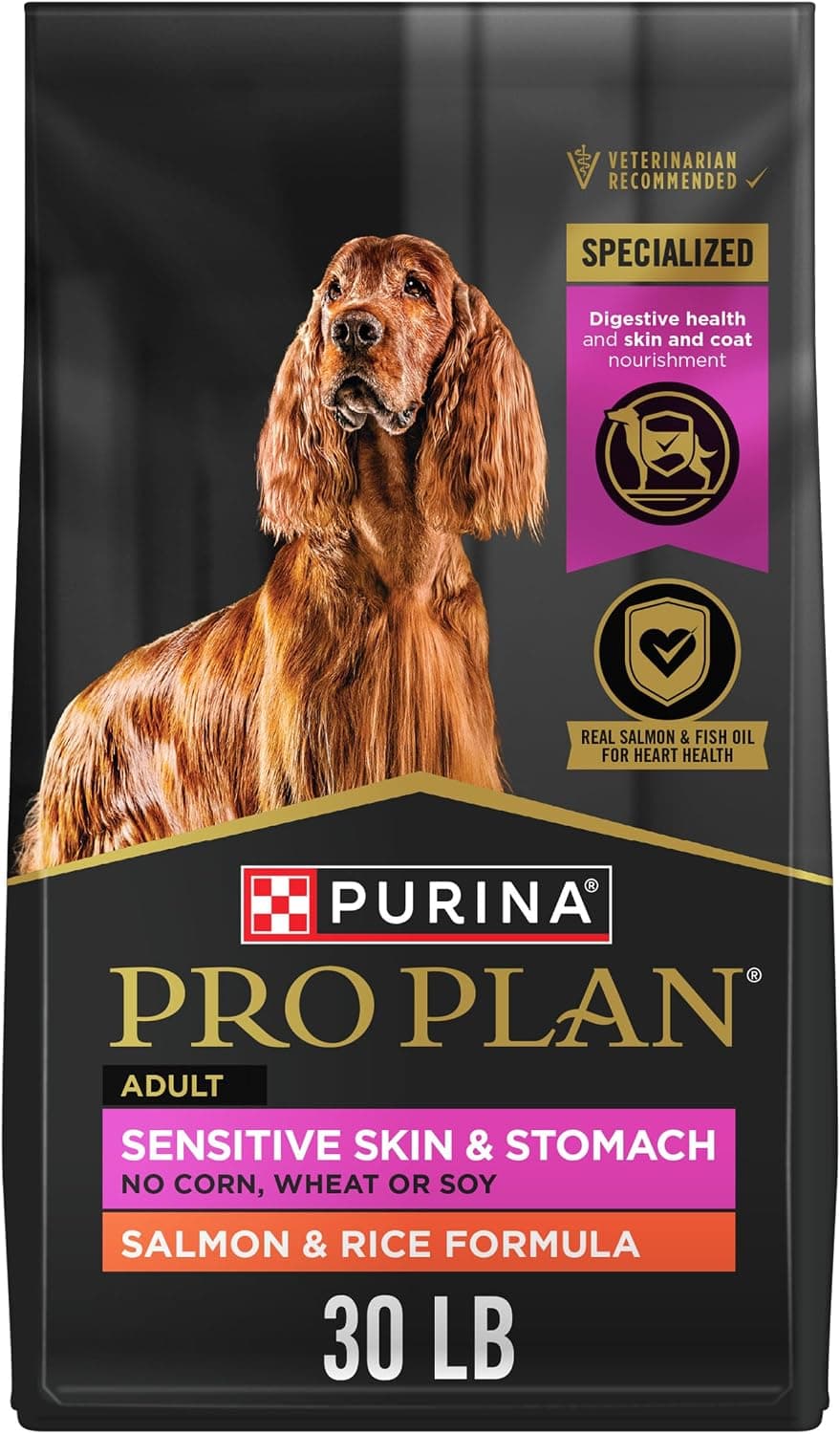
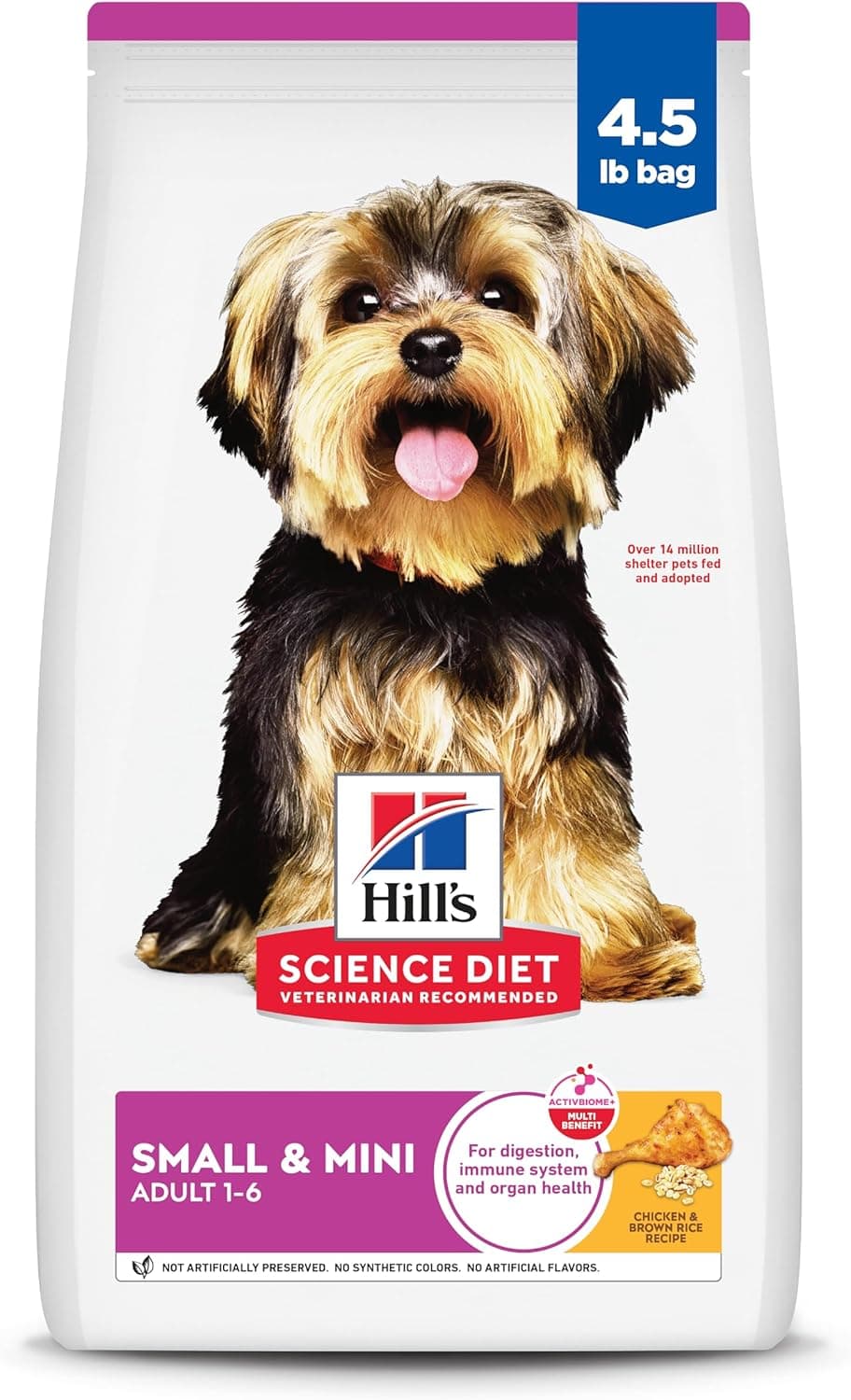
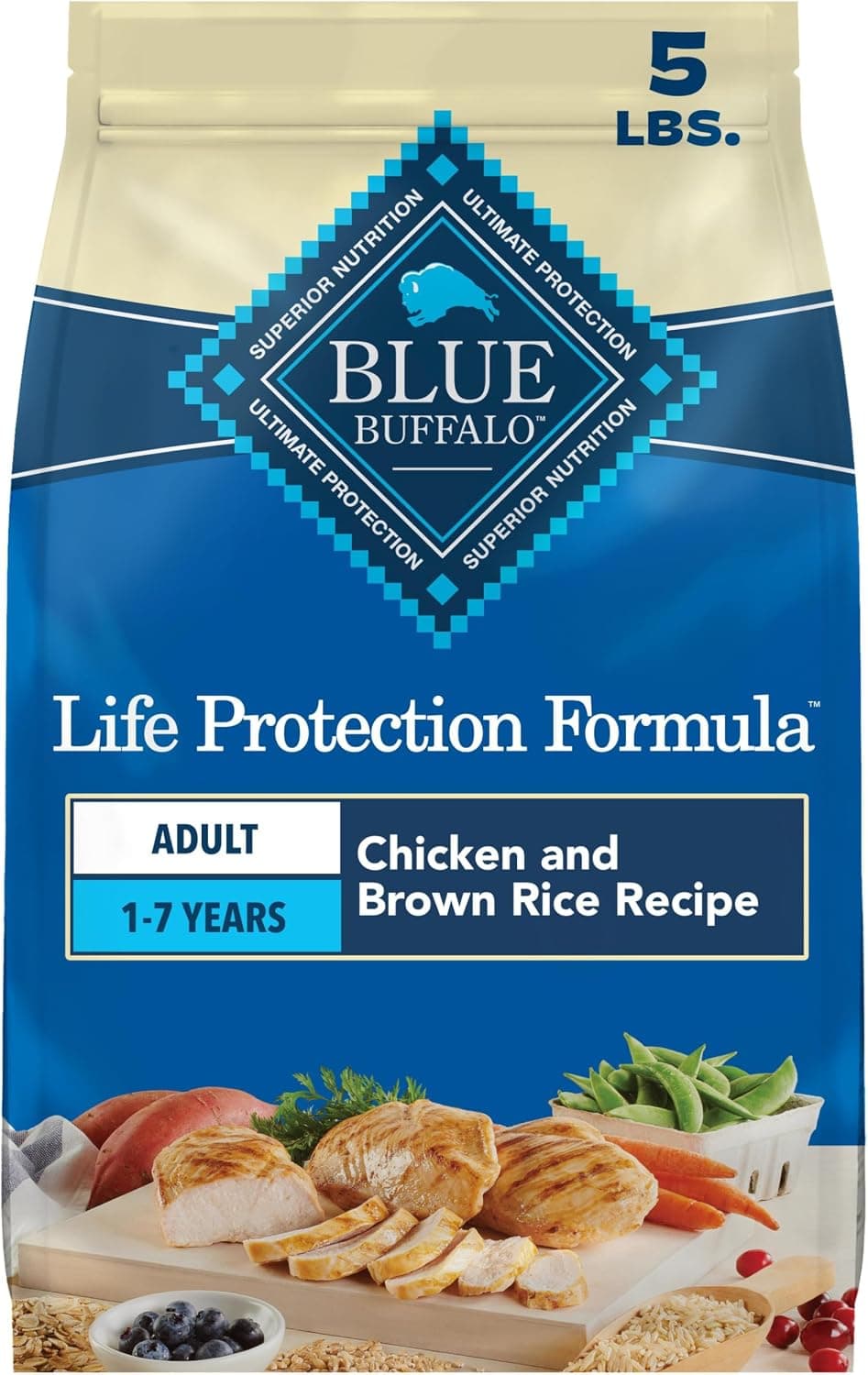
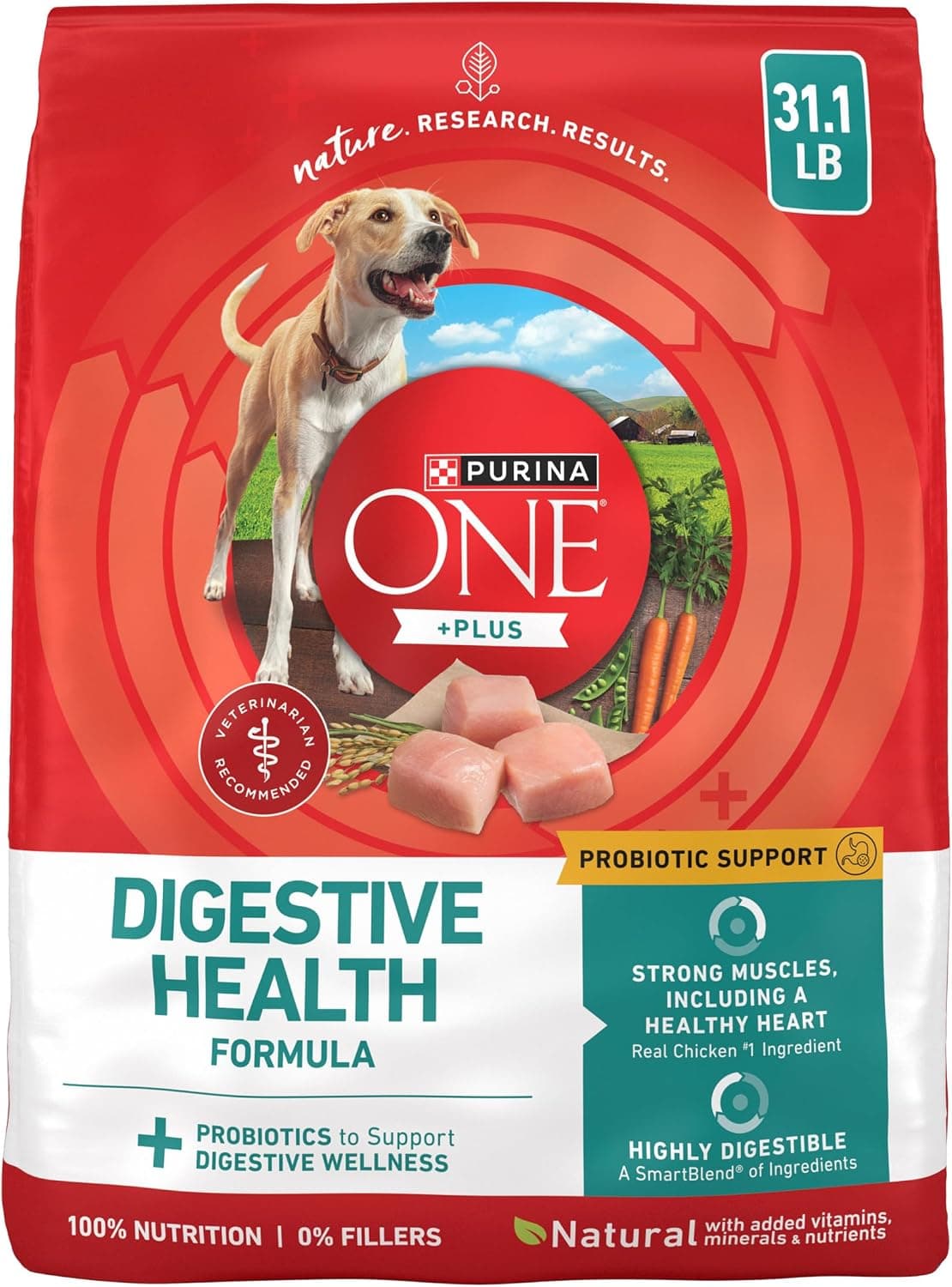
Dry dog food, commonly called kibble, is one of the most widely used food formats. It is convenient to store and portion, and there are products designed for different breeds, sizes, life stages, and dietary requirements.
When comparing dry foods, look at the ingredient list, nutritional information, calorie content, life-stage recommendation, kibble size when relevant, and feeding instructions.
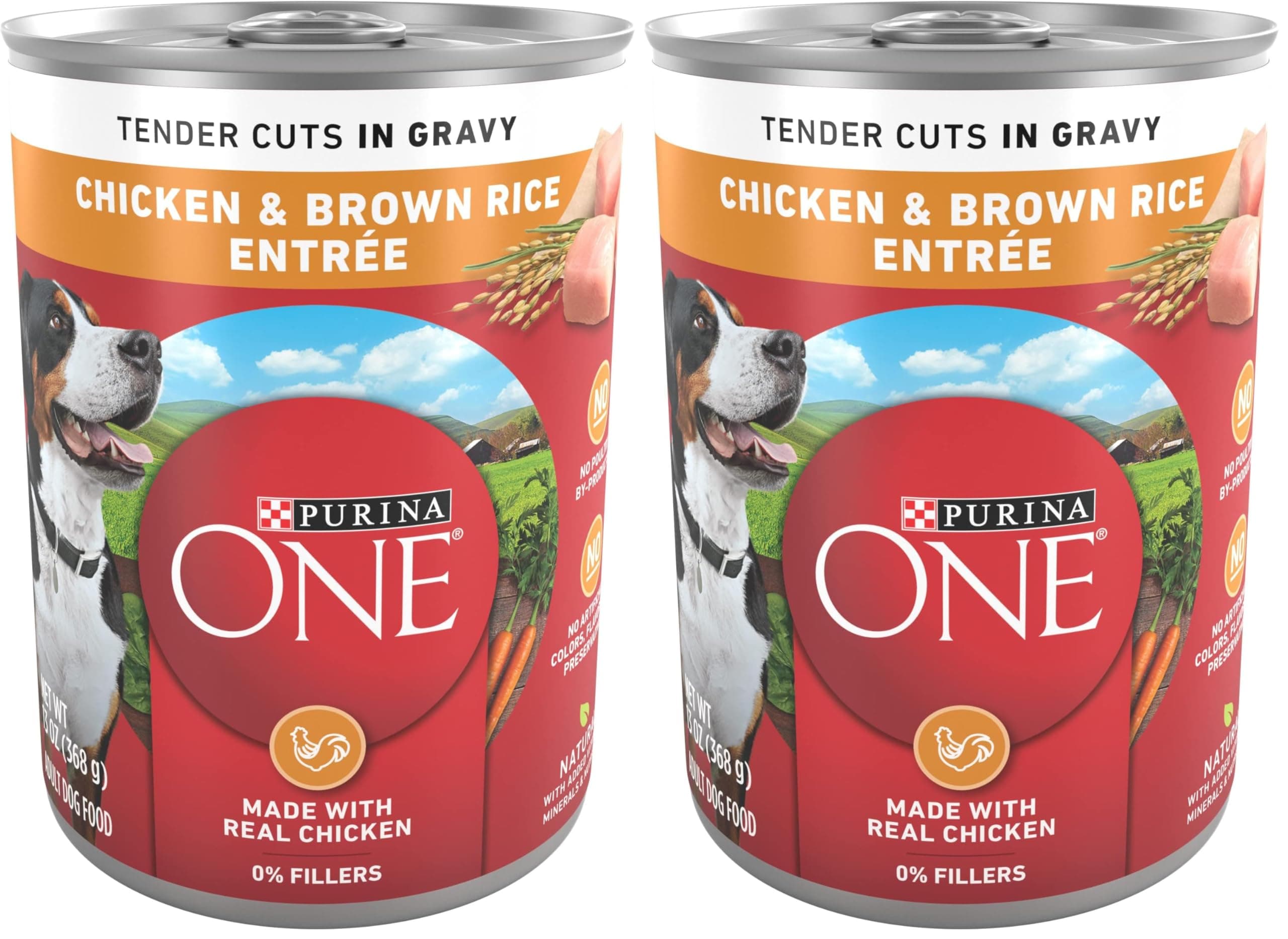
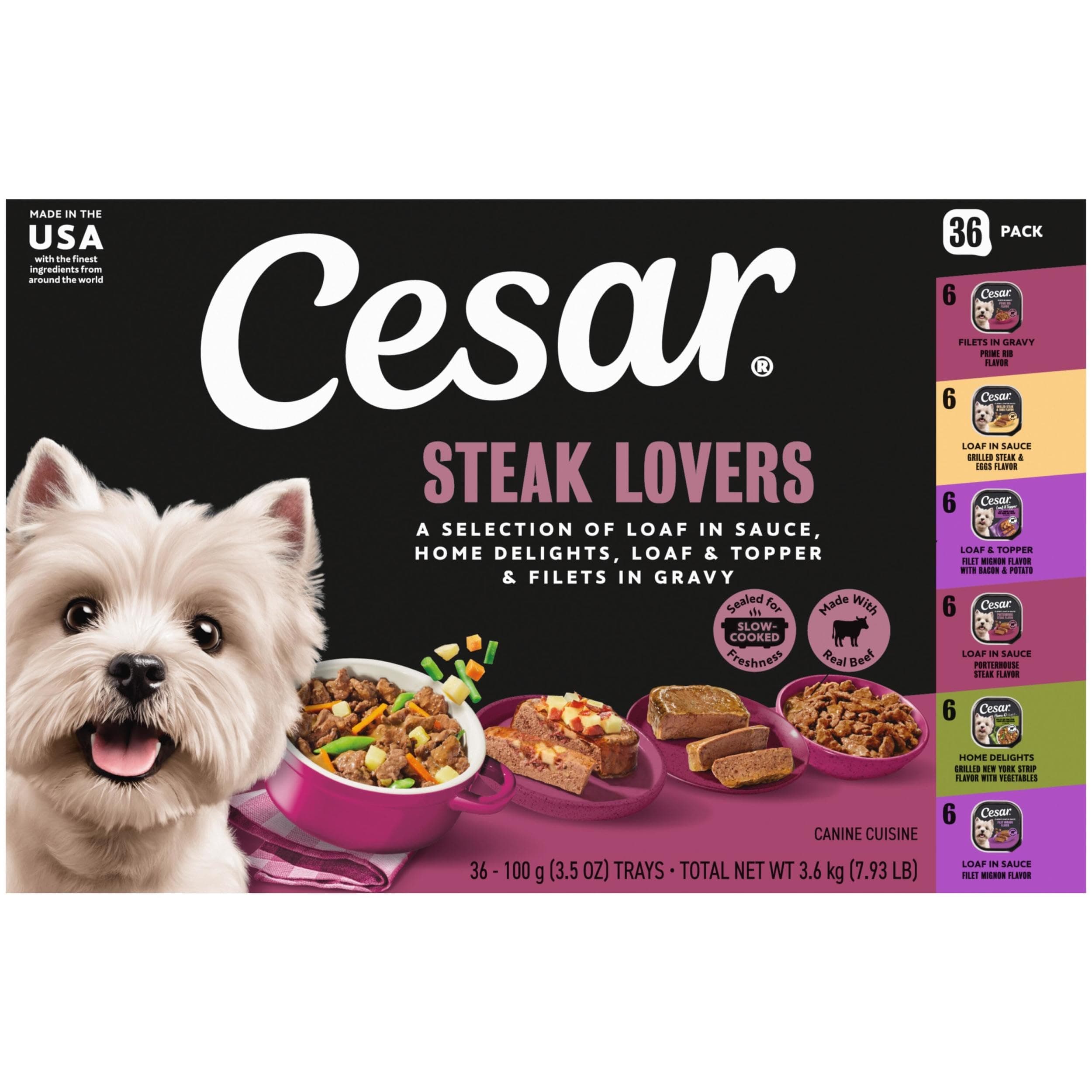
Wet Dog Food
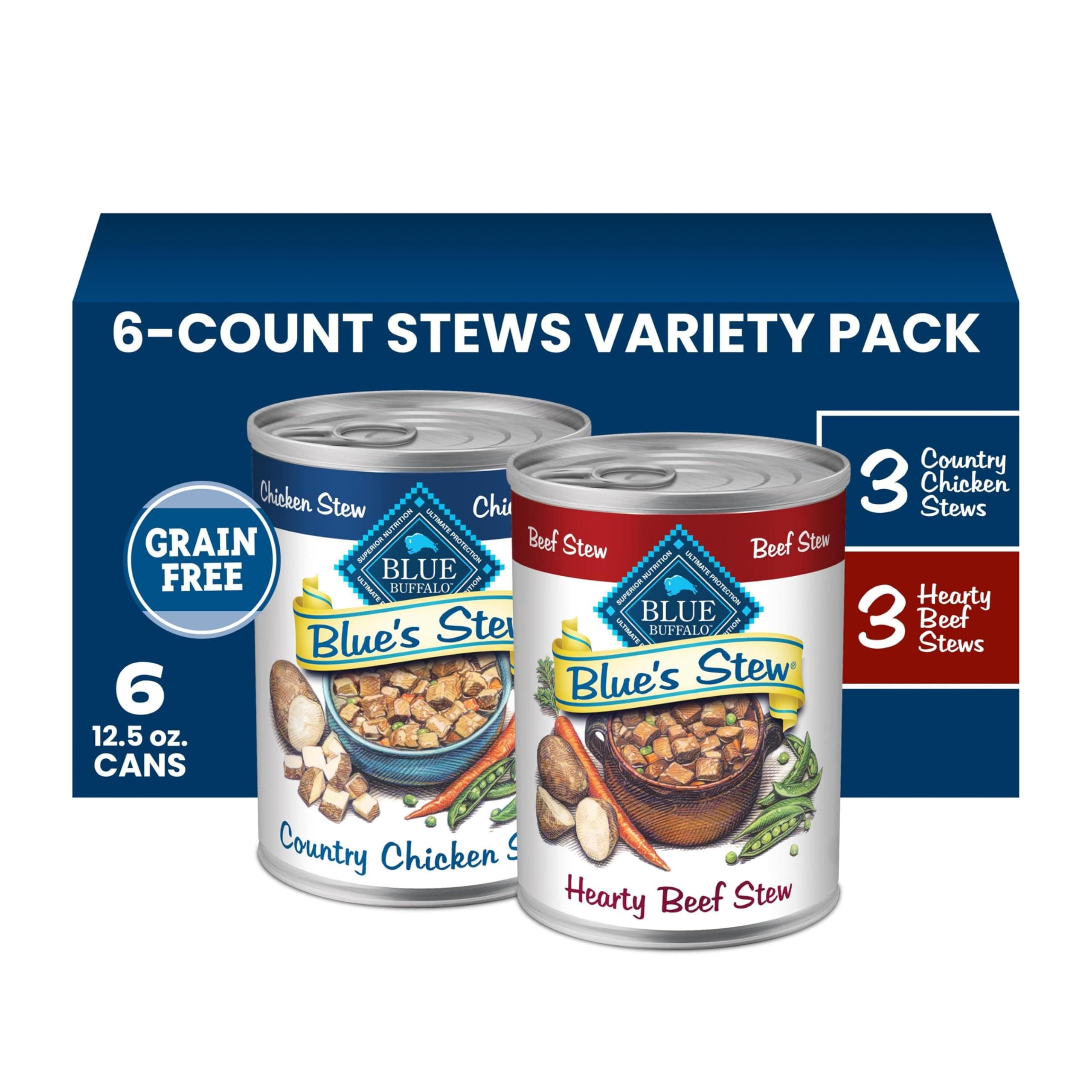
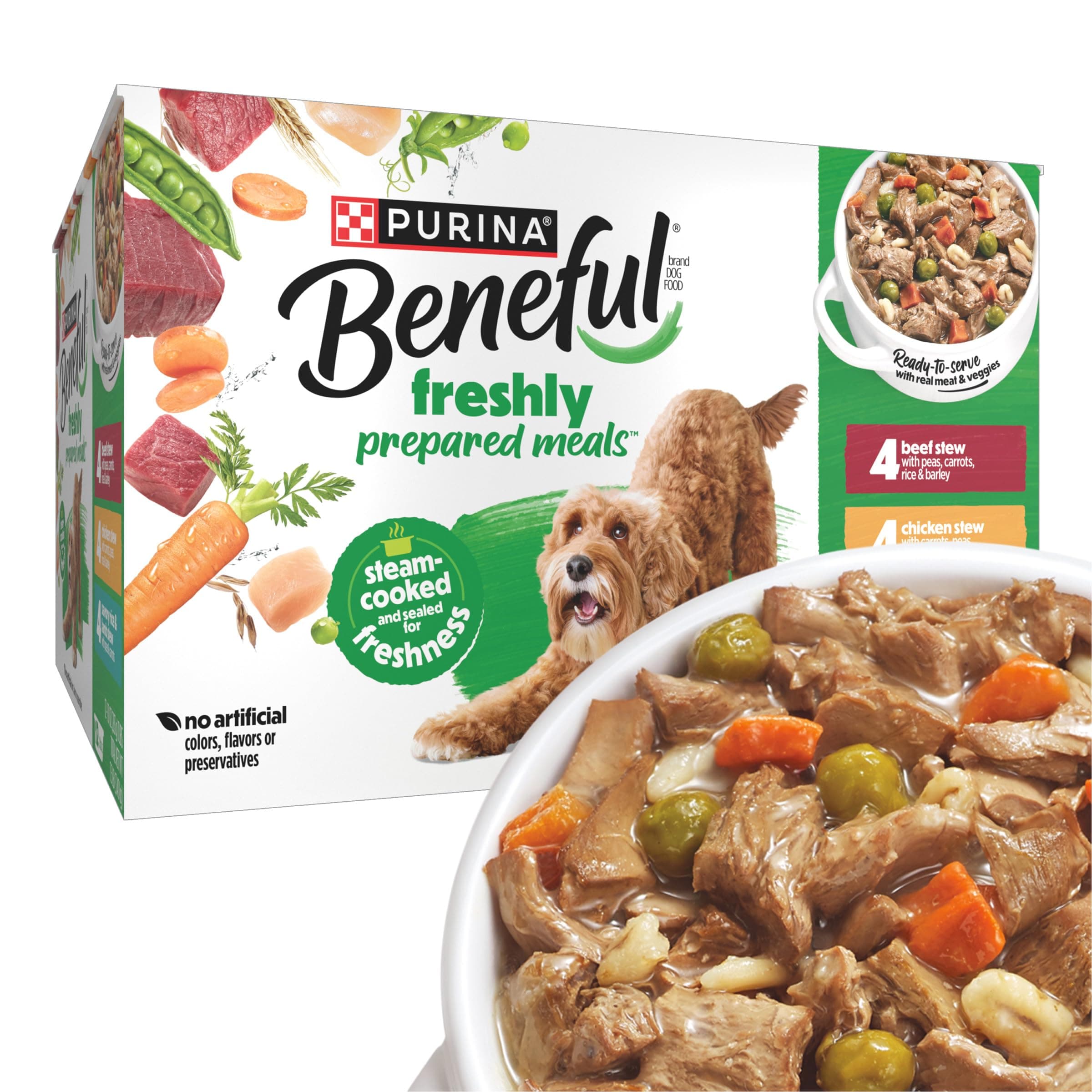
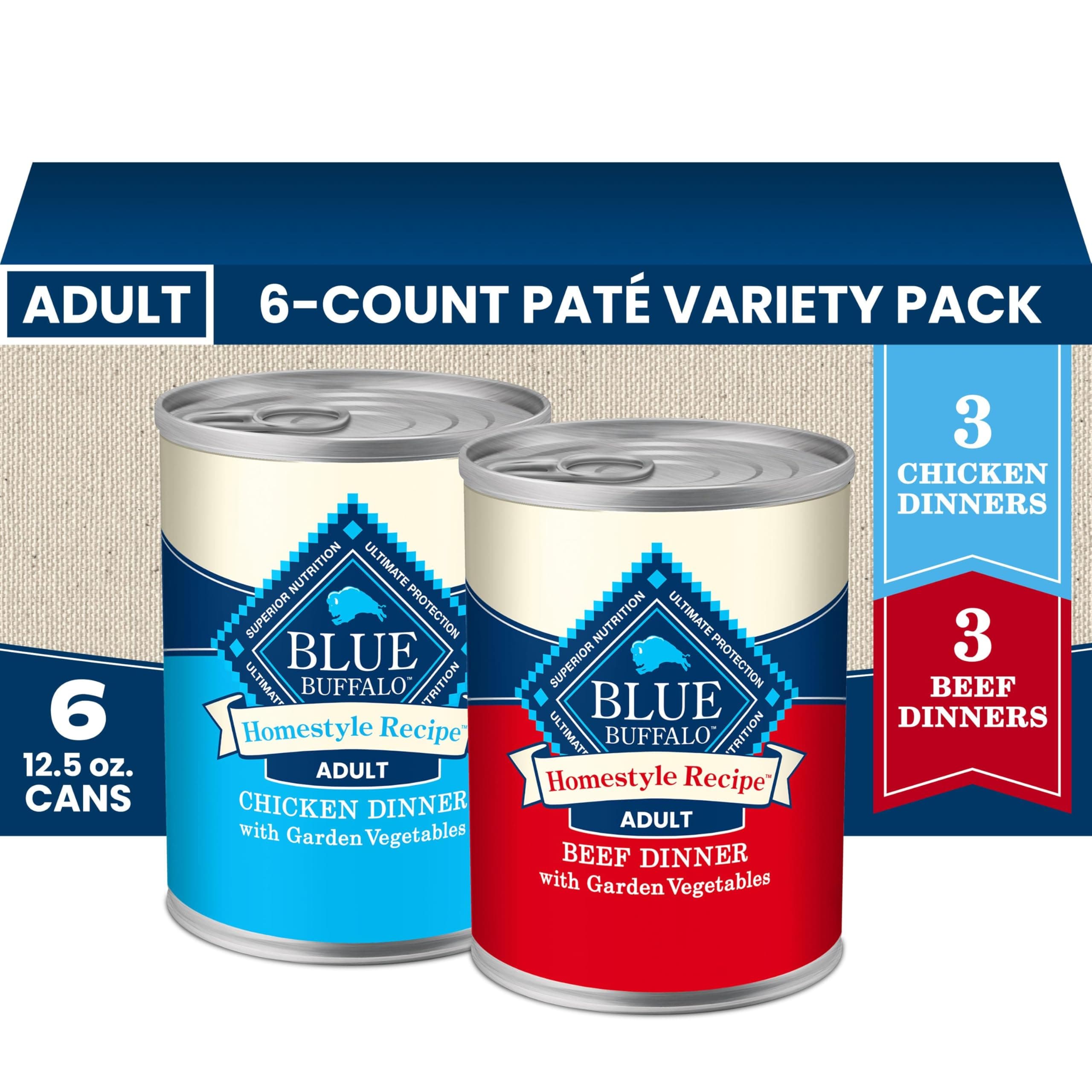
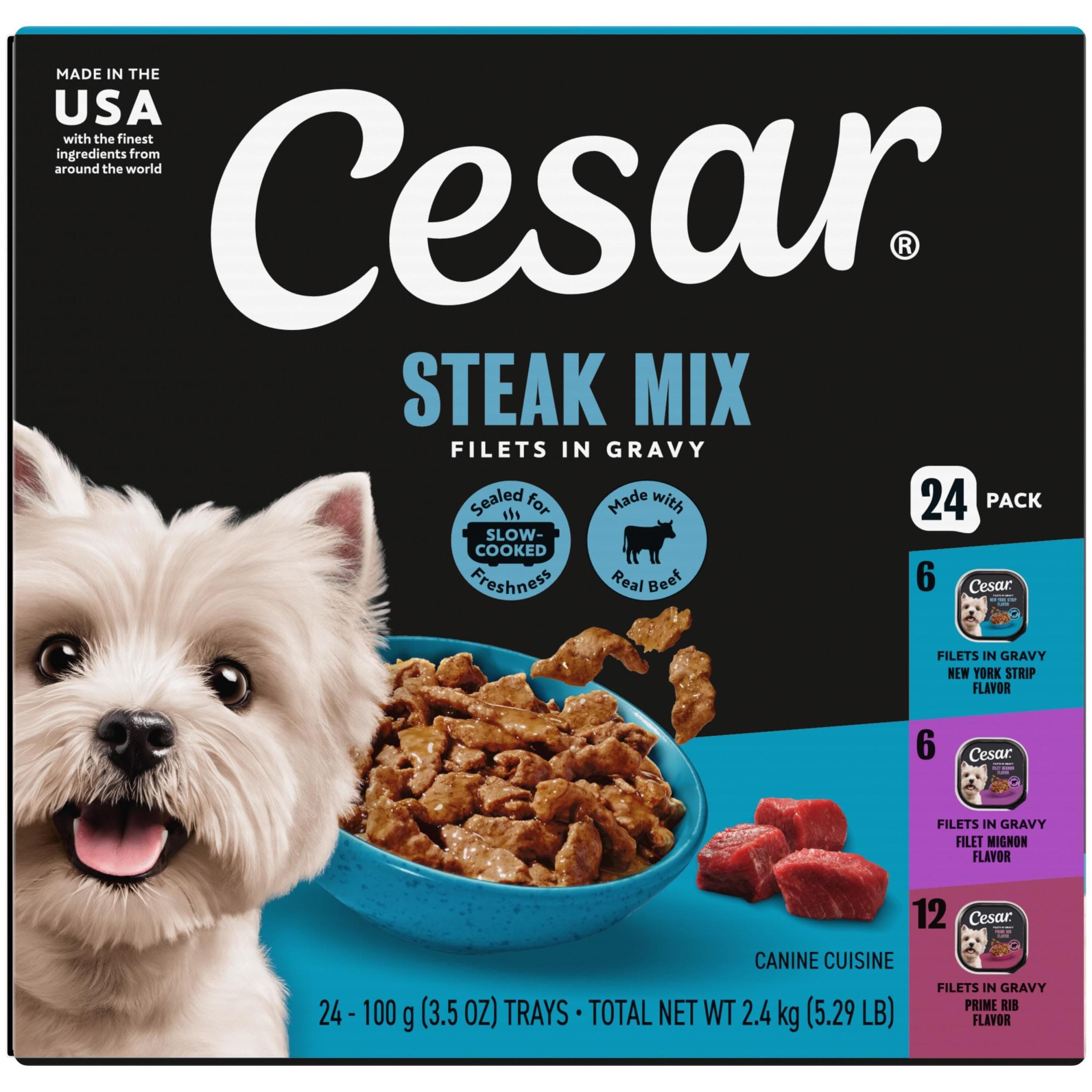
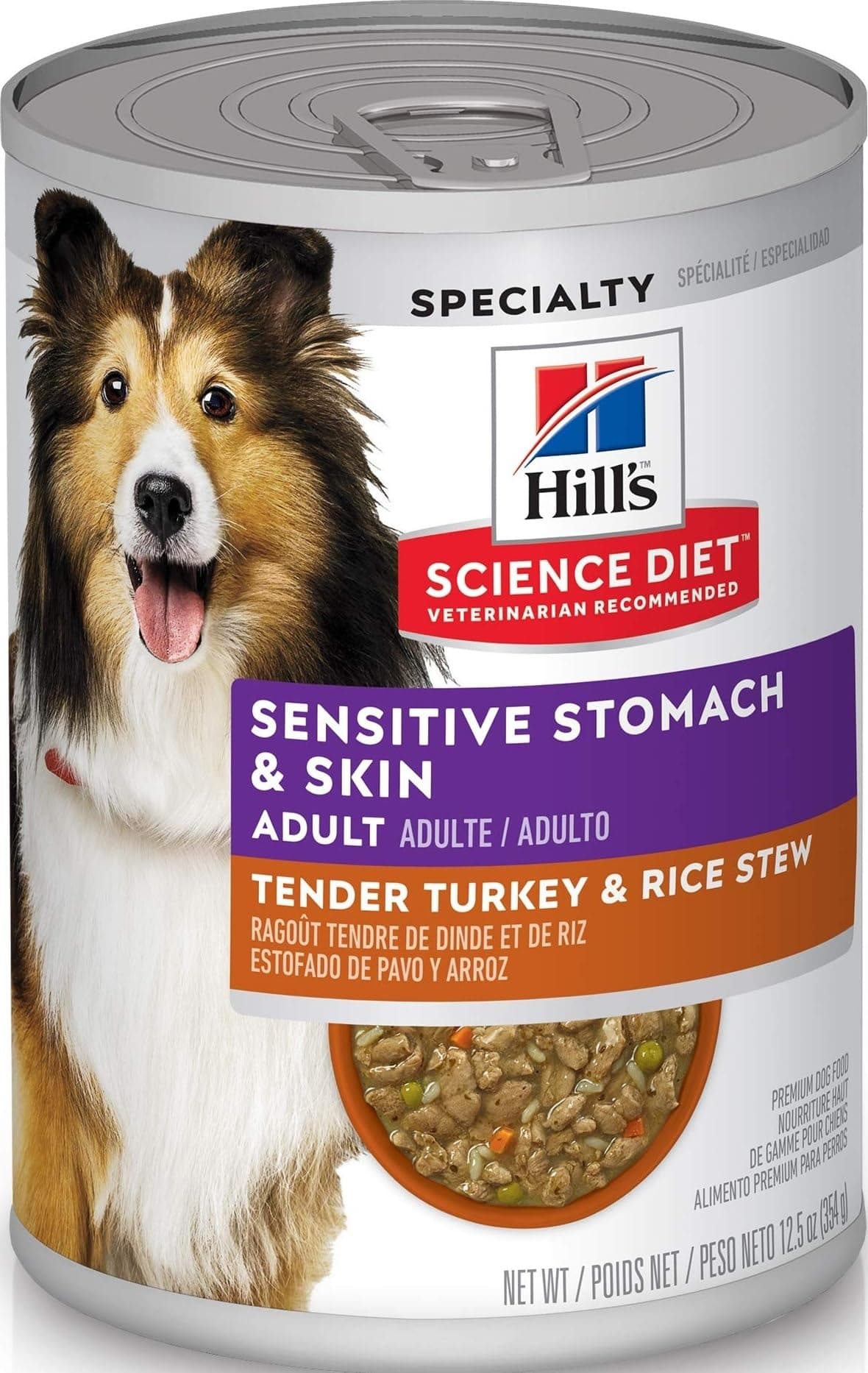
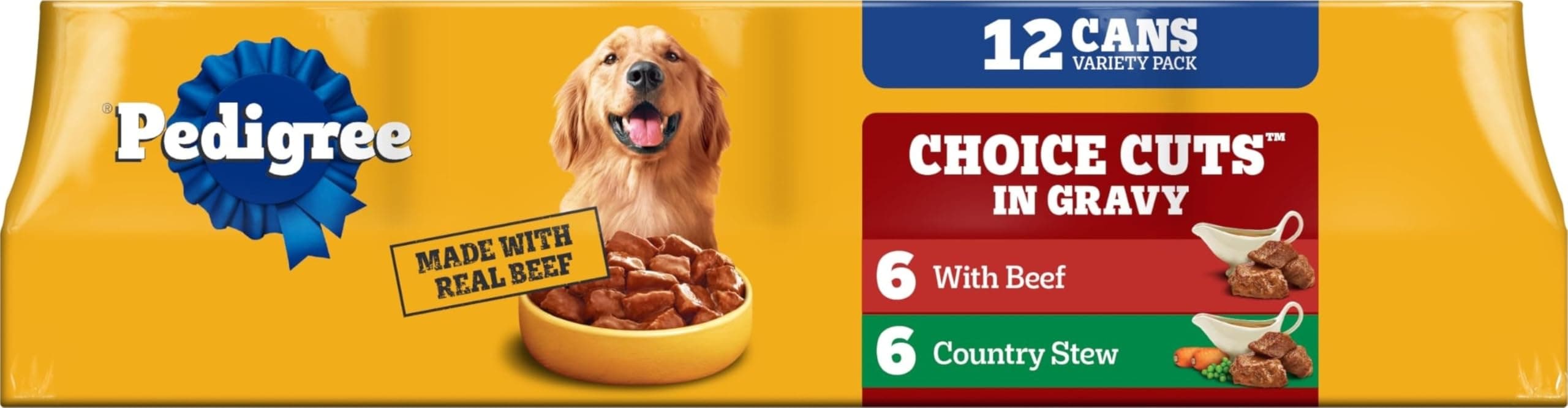
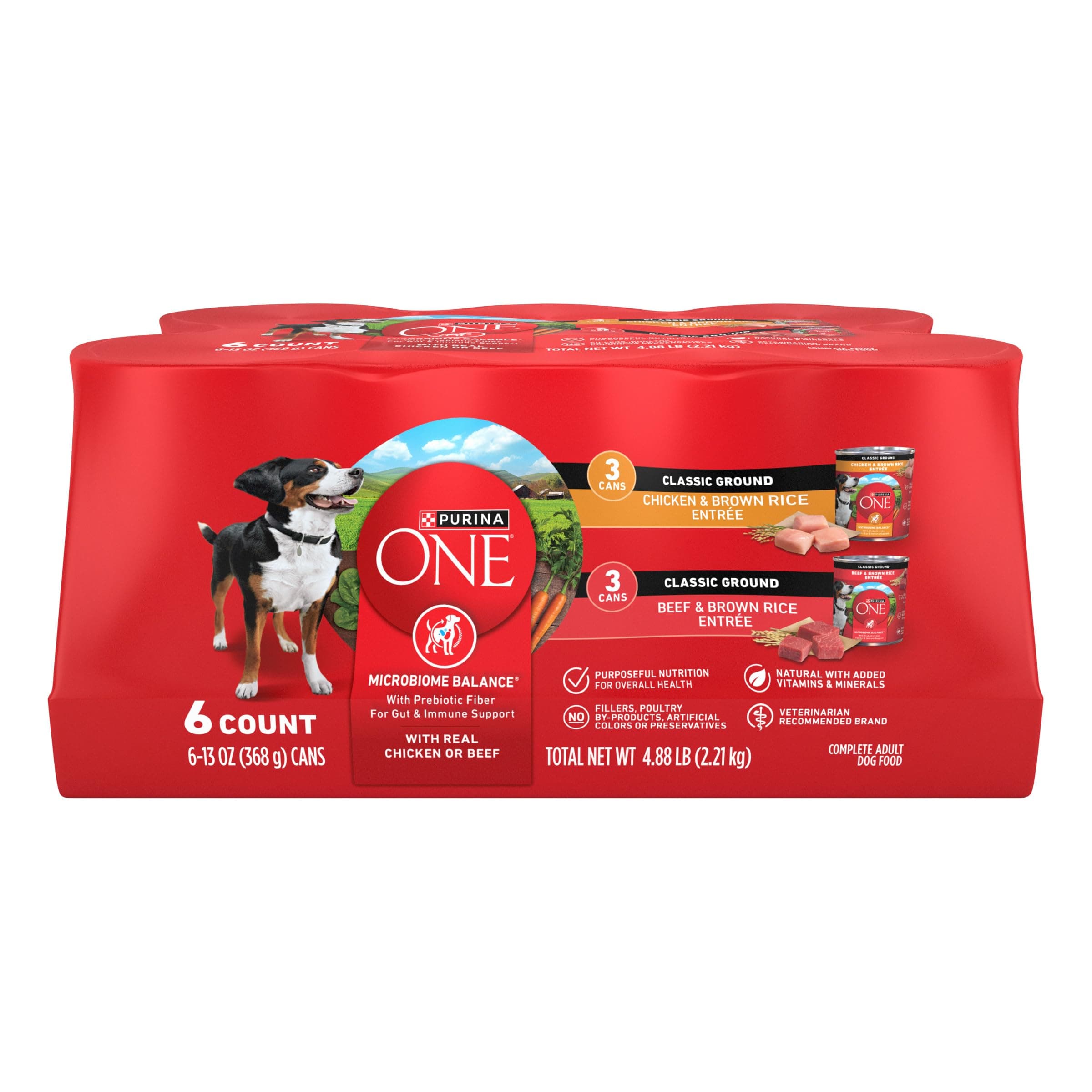
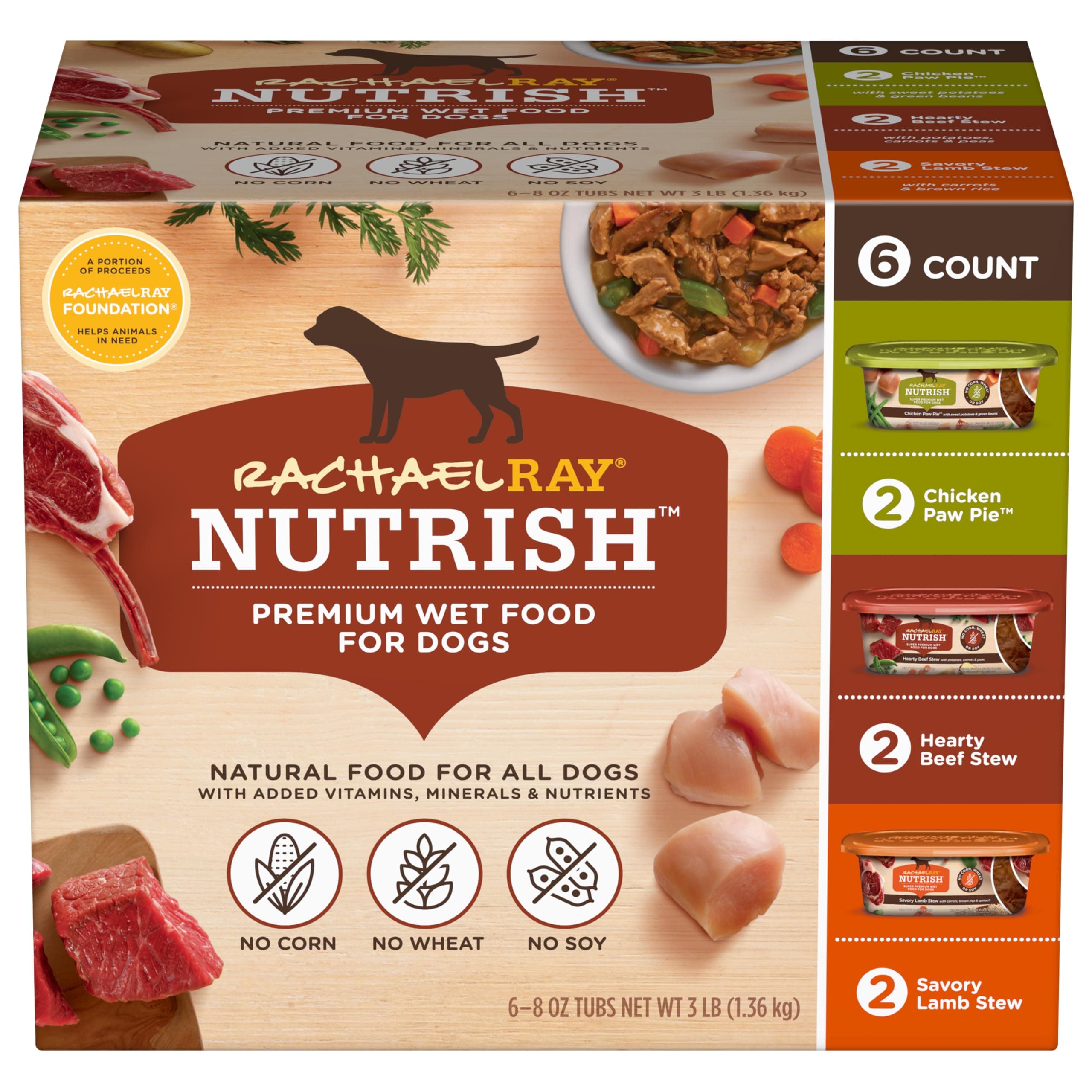
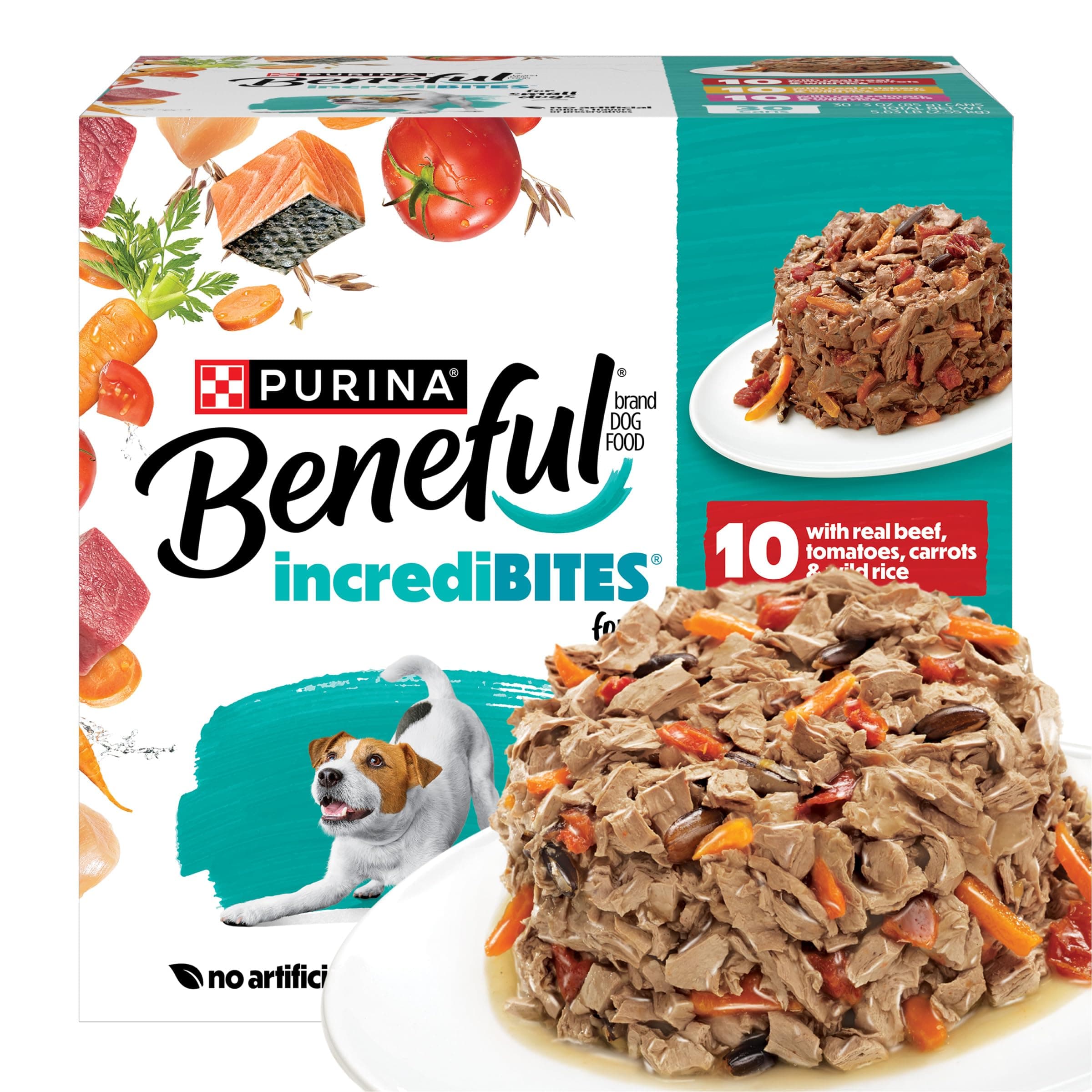
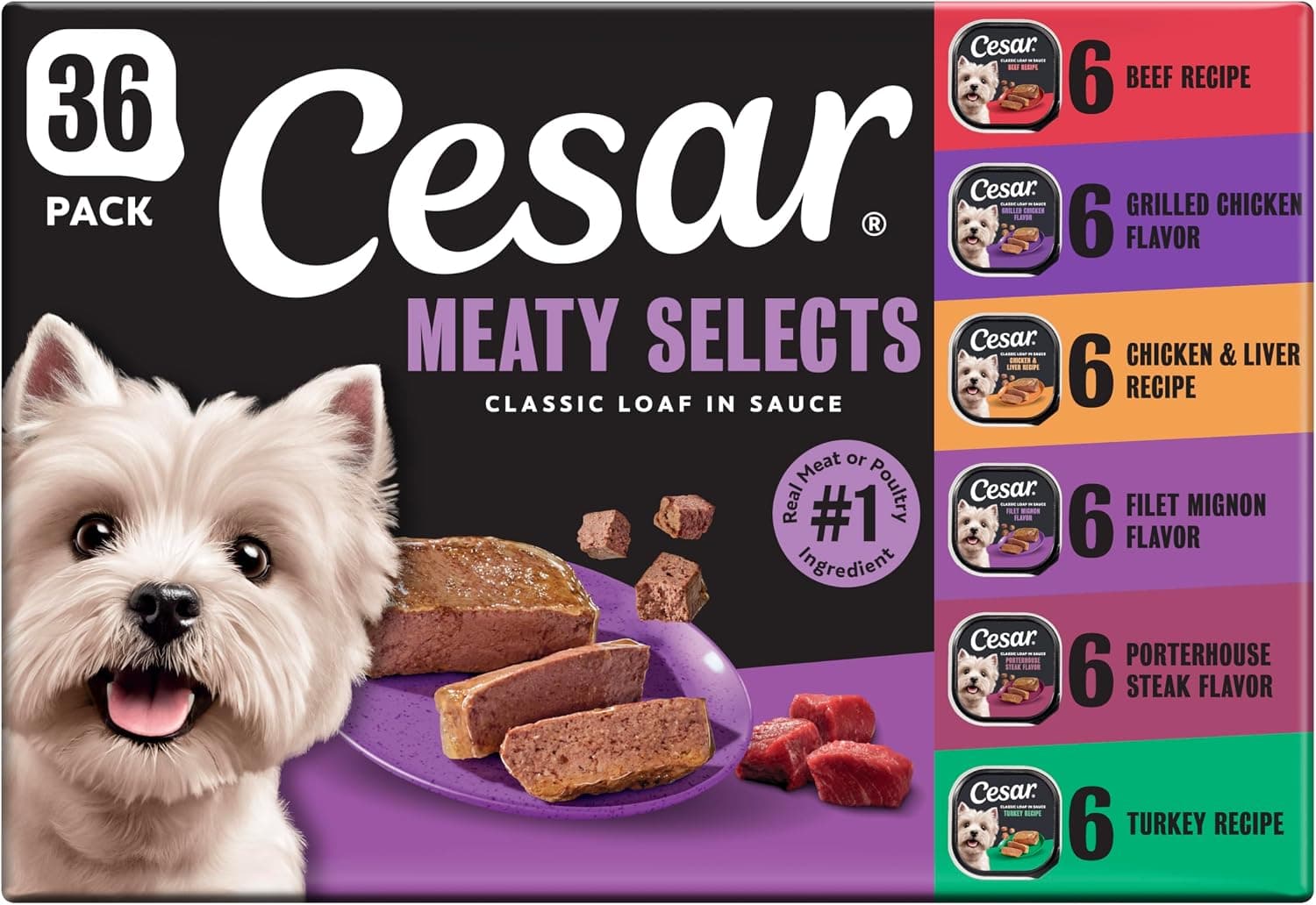
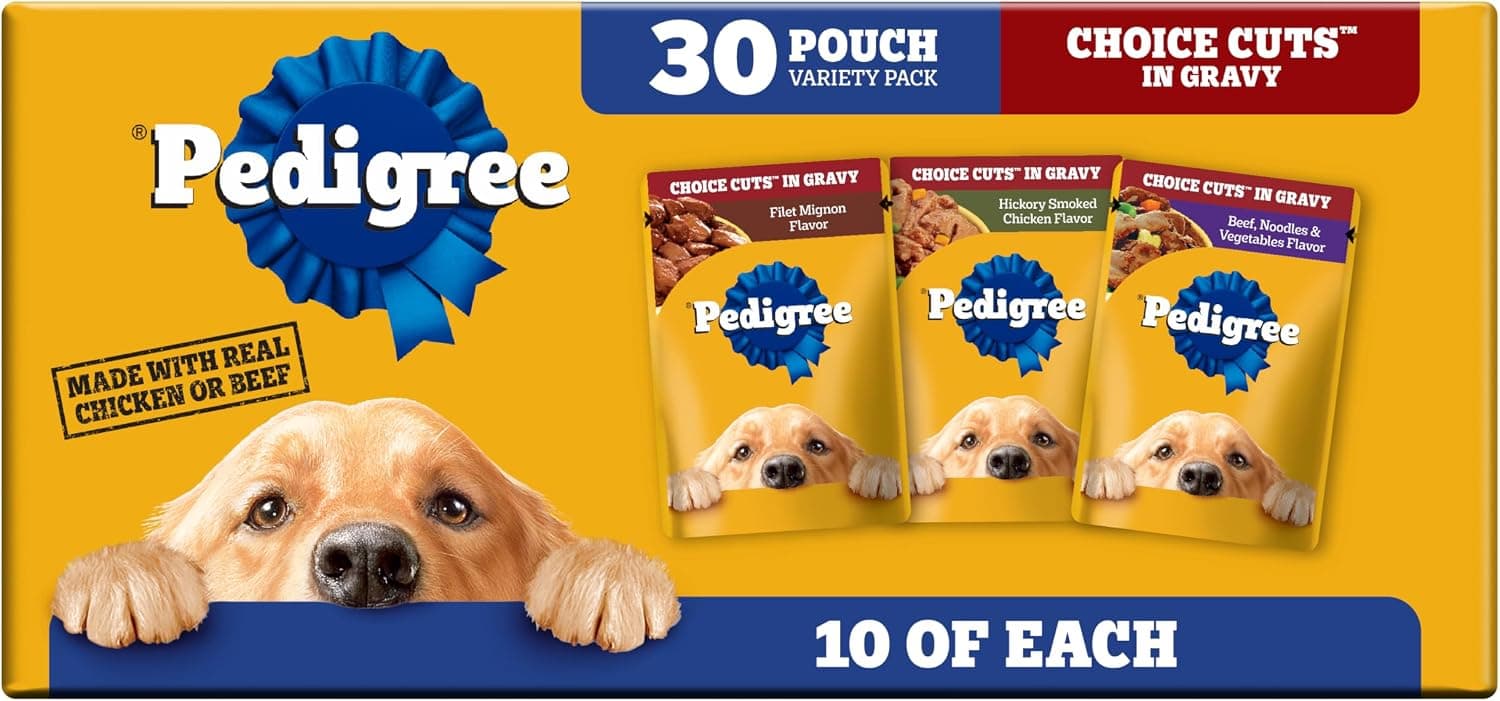
Wet dog food typically contains more moisture than dry food and comes in formats such as cans, trays, and pouches. Some dogs may prefer its texture or aroma.
Compare the ingredients, nutritional adequacy statement, calorie information, serving size, storage instructions after opening, and whether the product is intended as a complete food or for supplemental feeding.
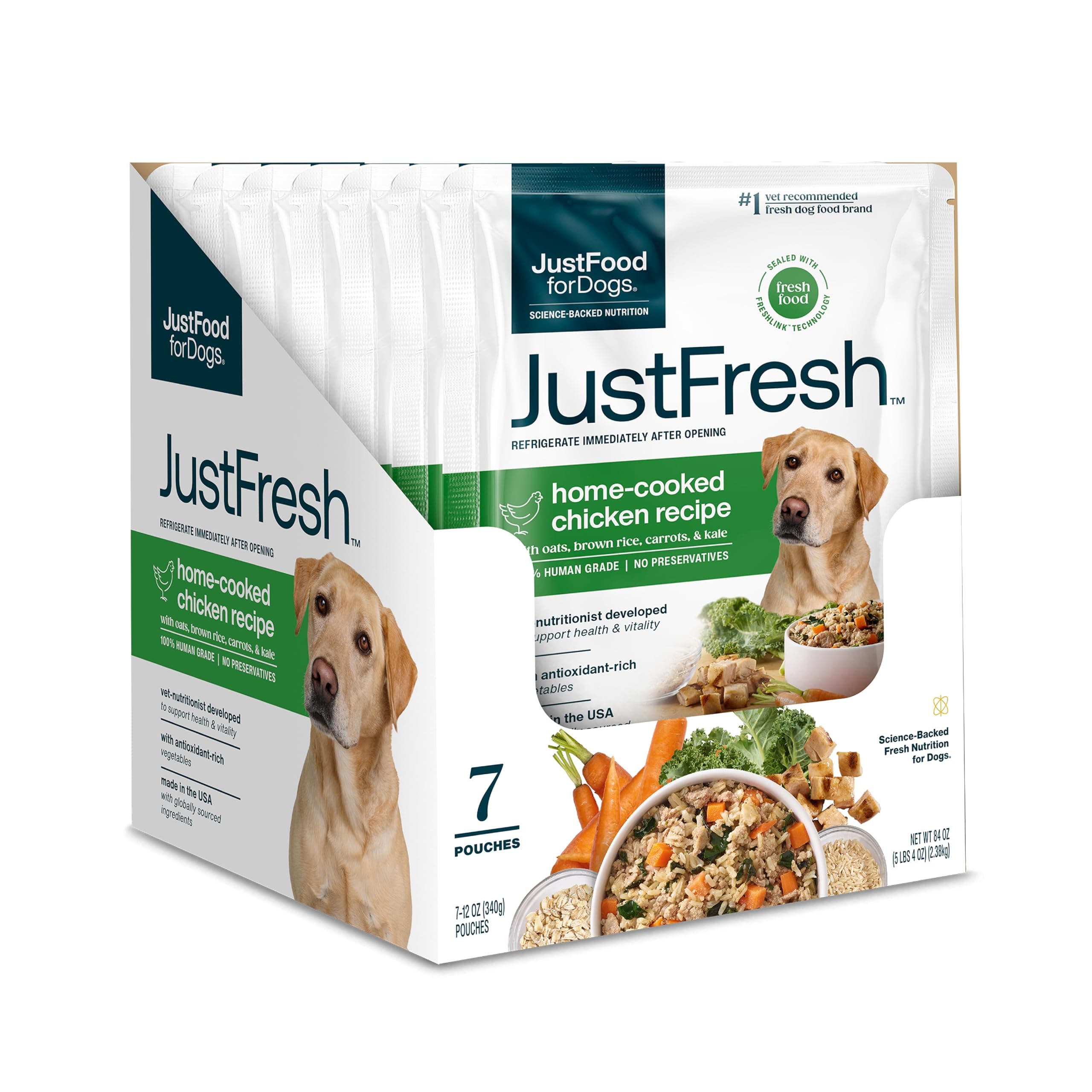
Fresh Dog Food
Fresh dog foods may use refrigerated or gently prepared ingredients and generally require different storage and handling from shelf-stable foods.
Check whether the product is nutritionally complete for your dog’s life stage, along with its ingredients, feeding instructions, storage requirements, and portion recommendations.
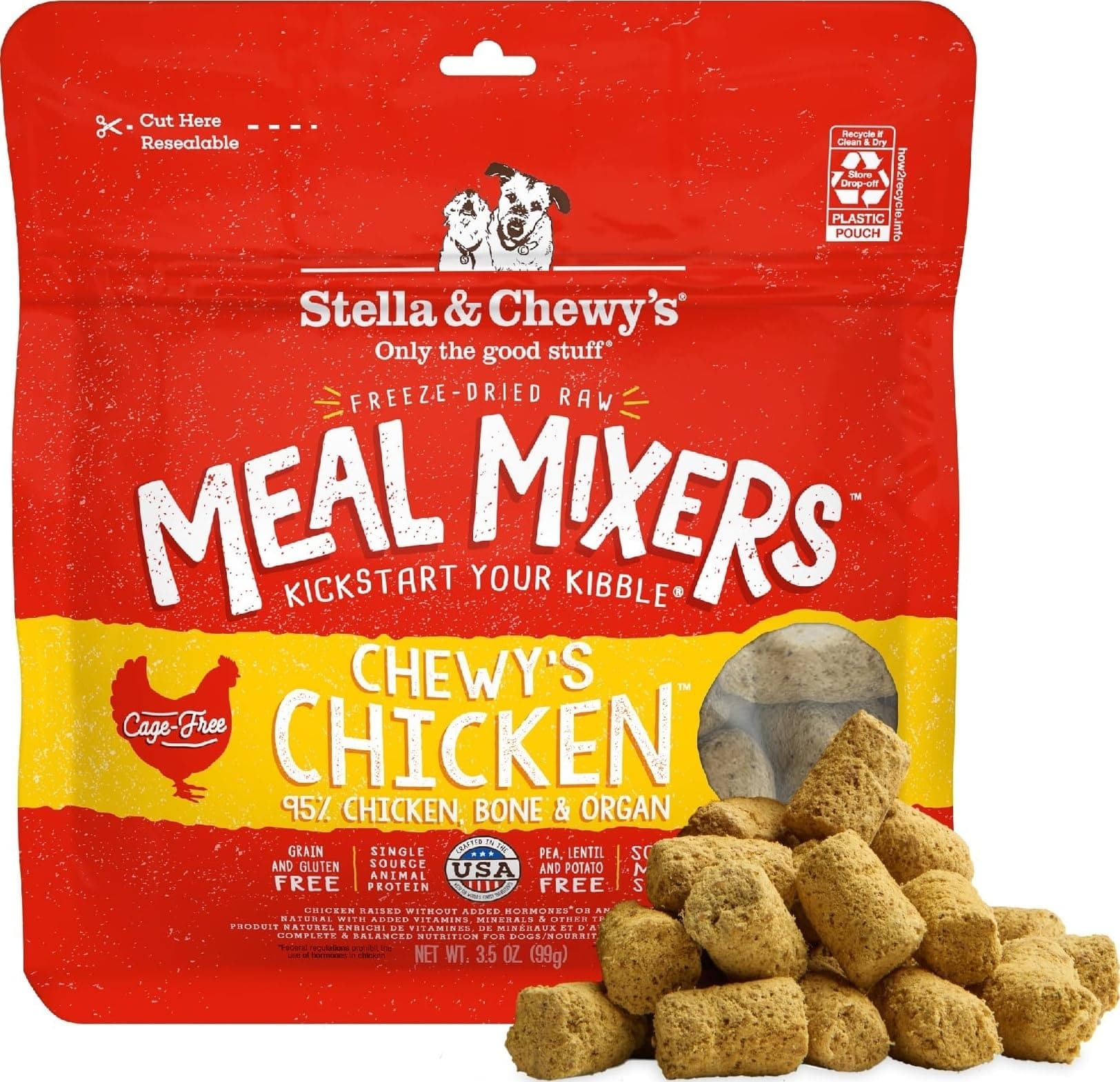
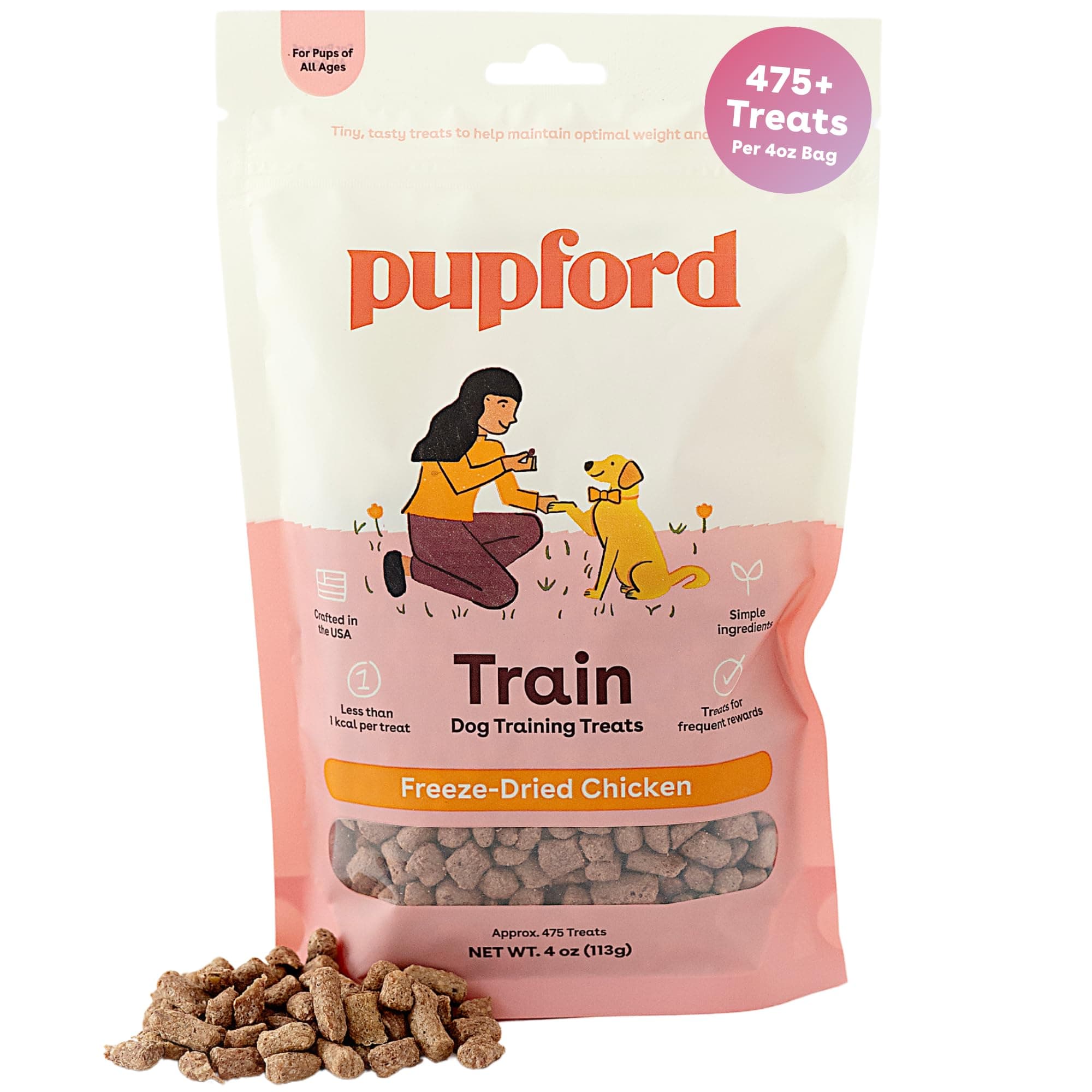
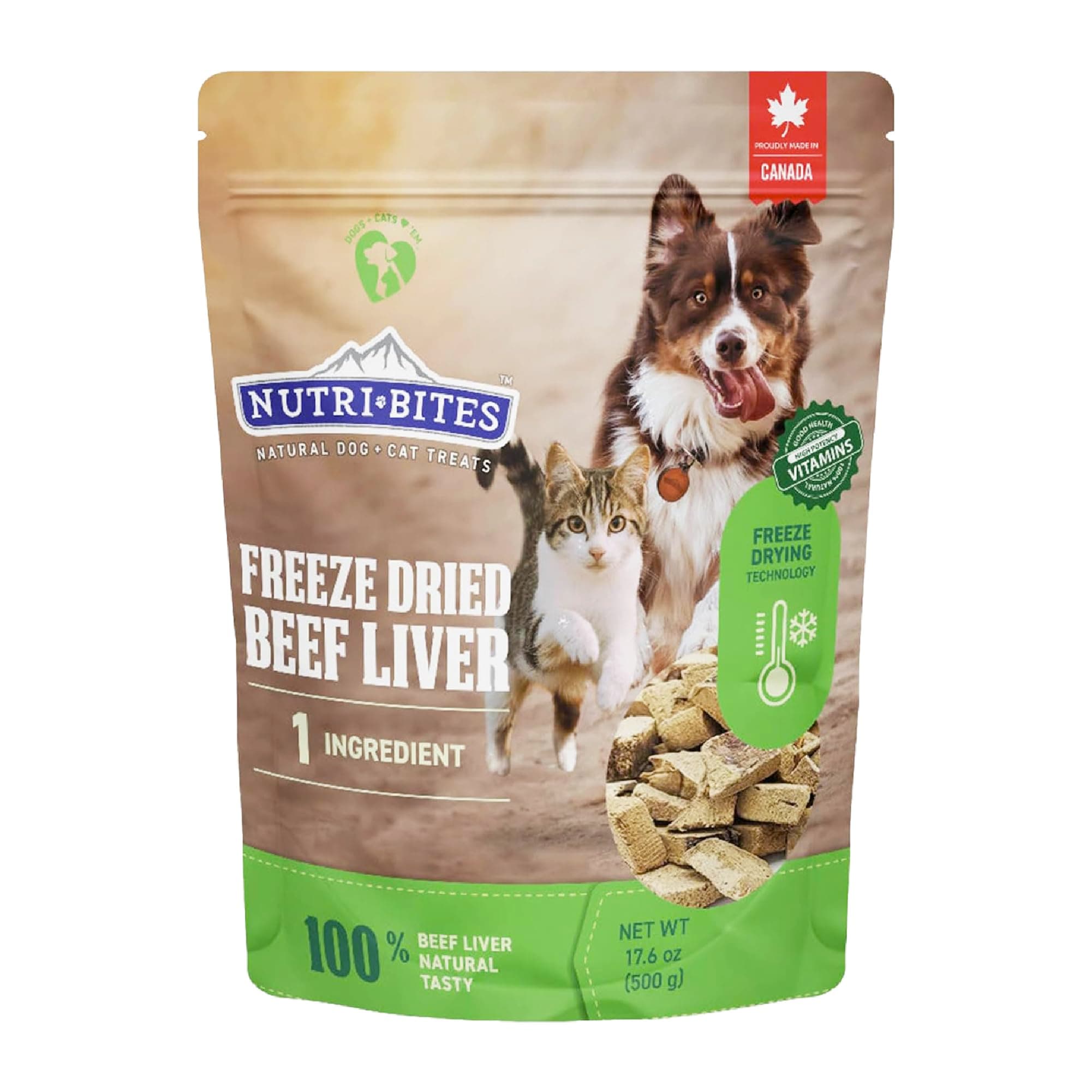
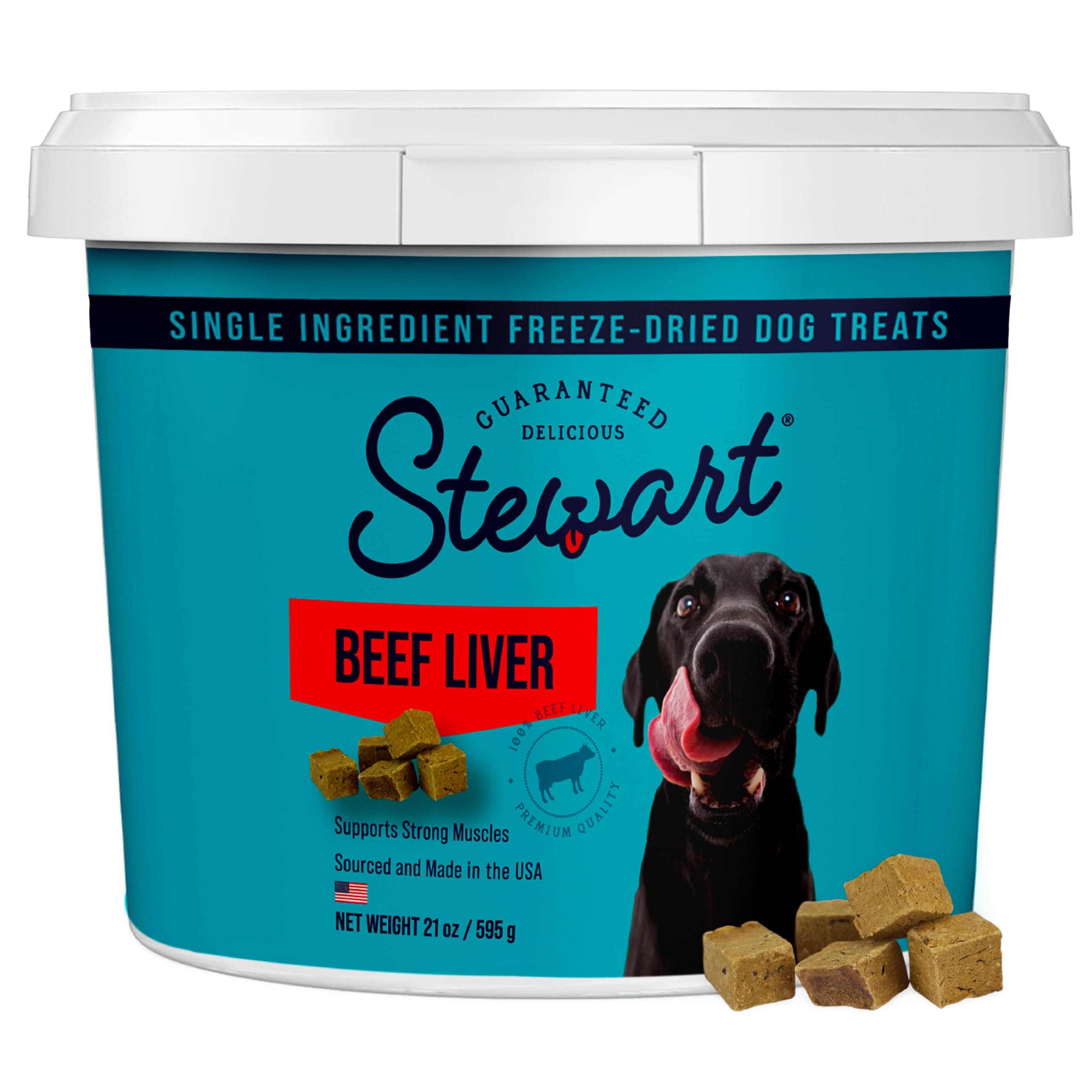
Freeze-Dried Dog Food
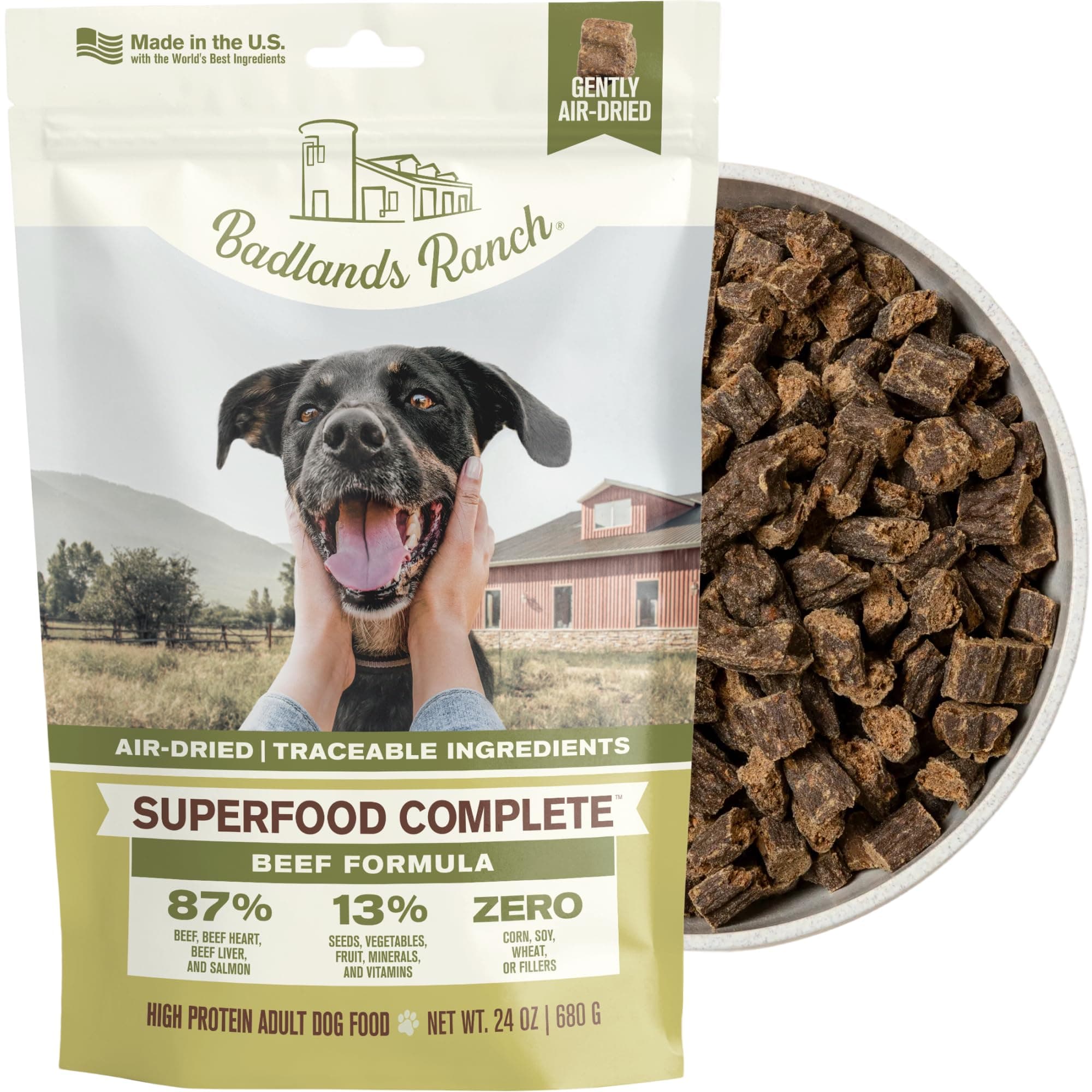
Freeze-dried dog foods are produced by removing moisture from ingredients through a freeze-drying process. Depending on the product, they may be served as a complete meal, rehydrated before feeding, or used alongside another food.
Always check the manufacturer’s preparation and feeding instructions and whether the product is formulated as a complete diet or intended only for supplemental feeding.
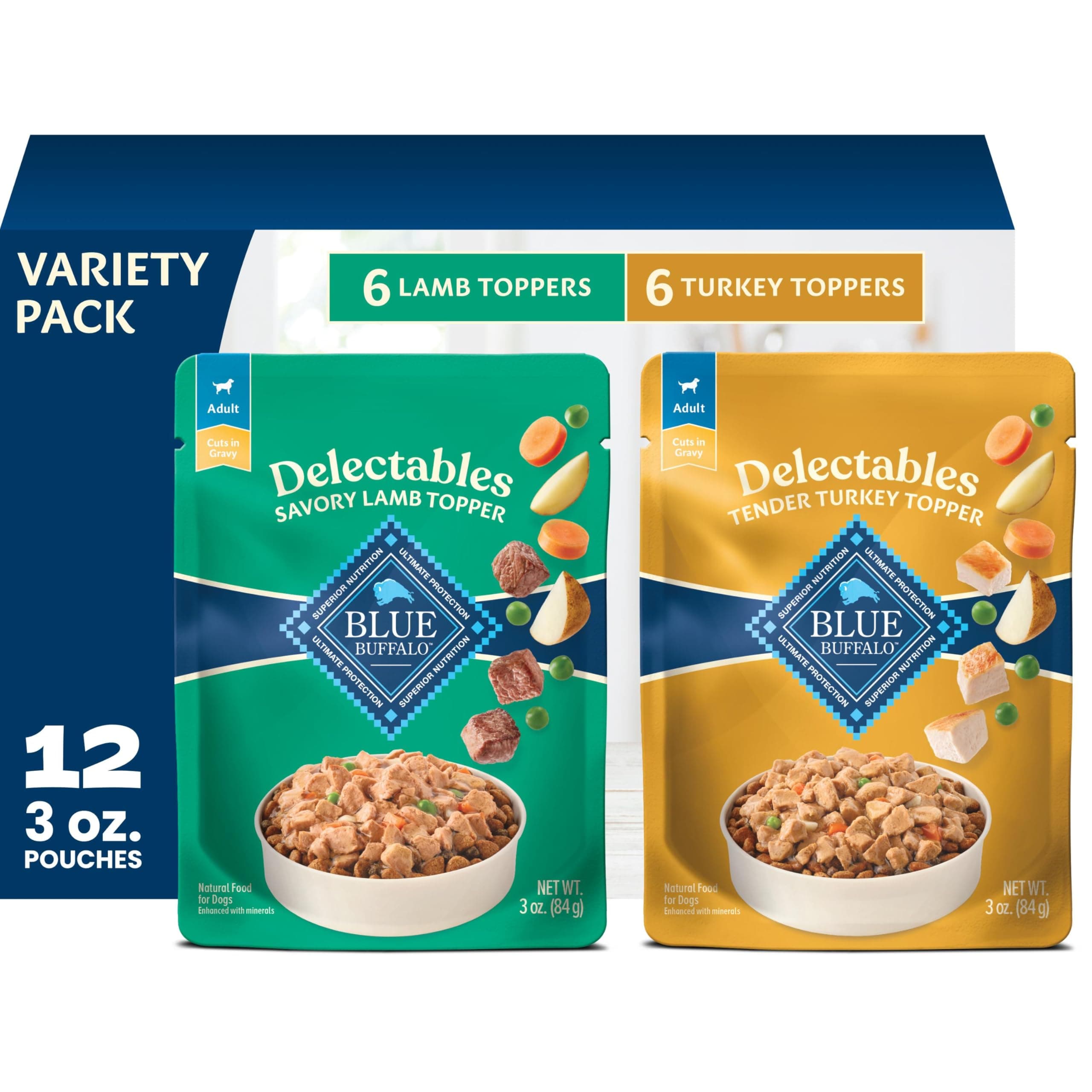
Dog Food Toppers
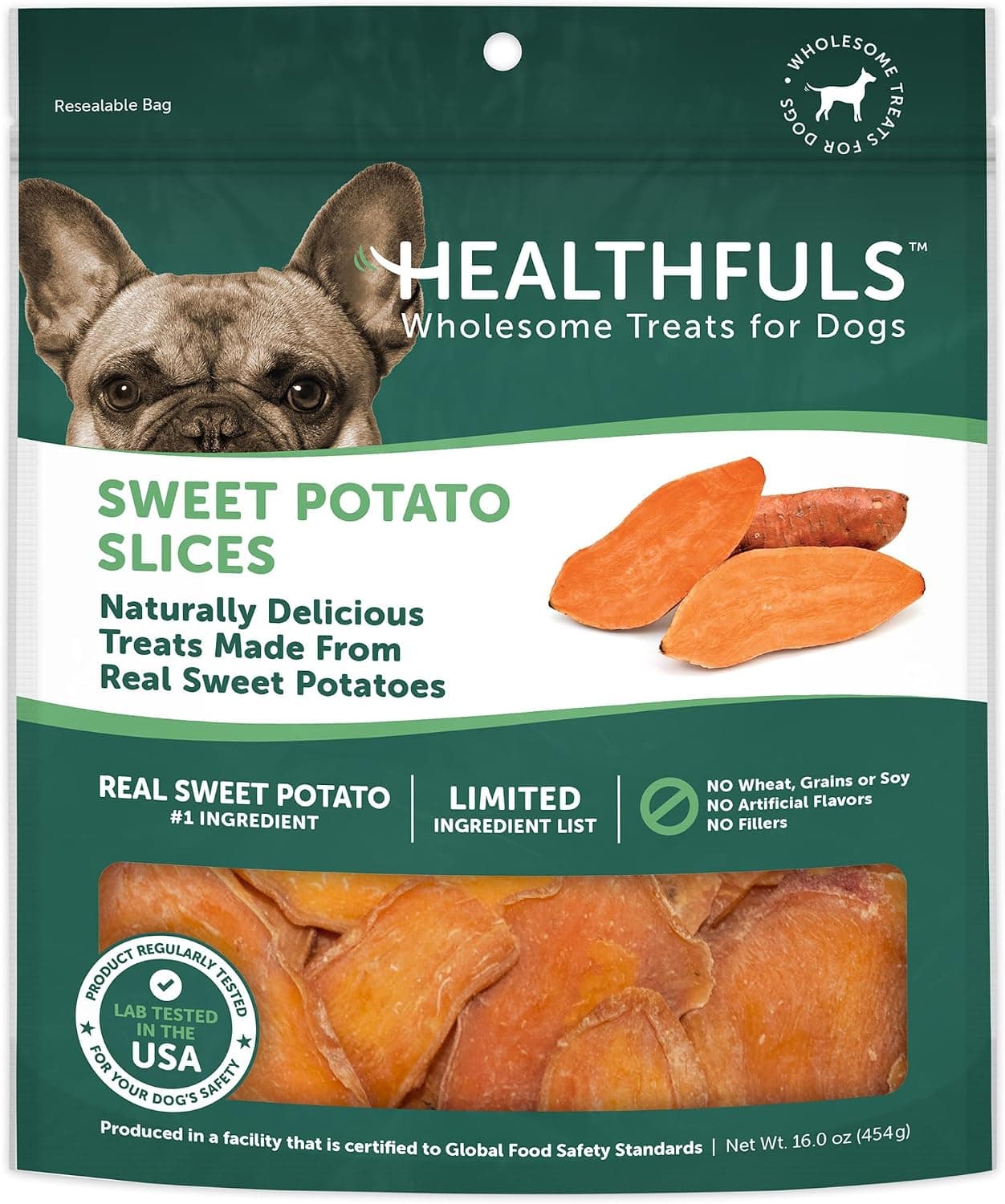
Food toppers are generally added to a dog’s regular meal rather than replacing a complete diet. They come in different forms and ingredients.
Check serving instructions and whether the topper is intended for supplemental feeding when incorporating it into your dog’s diet.
Dry vs Wet Dog Food: What’s the Difference?
Dry and wet foods differ mainly in moisture, texture, storage, serving, and calorie density. Neither format is automatically the best choice for every dog.
Dry food can be convenient to store, measure, and serve. Wet food has a higher moisture content and a different texture that some dogs prefer.
Some owners use one format exclusively, while others combine foods. When mixing products, take the calories and feeding recommendations of both foods into account rather than simply adding a full serving of each.
Choosing Dog Food by Life Stage
A dog’s nutritional requirements can change throughout life, so life-stage guidance is an important part of comparing foods.
Puppy Food
Growing puppies have nutritional requirements that differ from those of adult dogs. Look for products formulated for growth and appropriate for the puppy’s expected adult size where relevant.
Adult Dog Food
Adult dog foods are generally formulated for maintenance after growth. Activity level, body condition, size, and individual dietary requirements can help determine which products deserve consideration.
Senior Dog Food
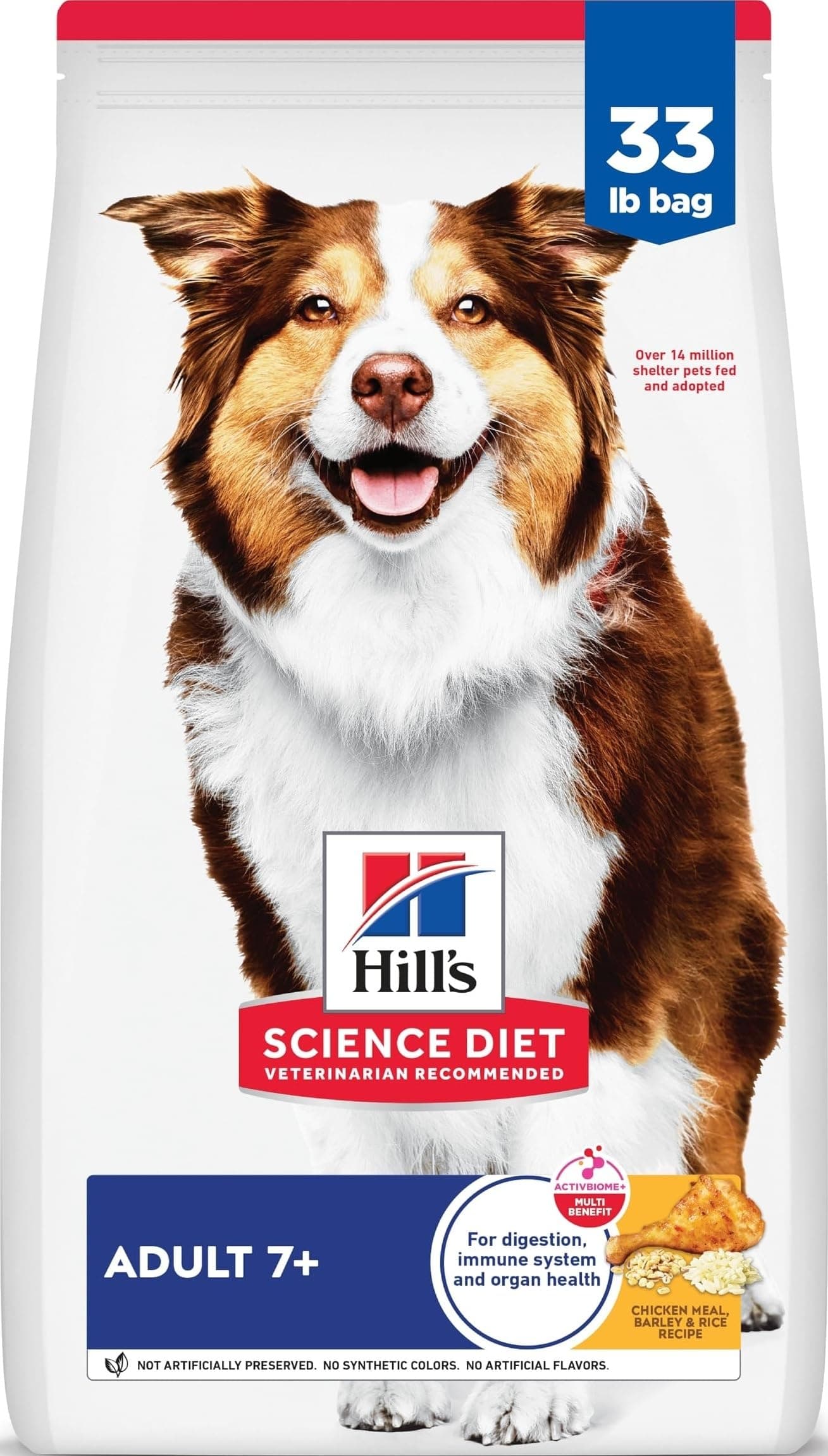
Some foods are specifically marketed for older dogs. However, age alone does not determine the appropriate diet. Body condition, activity, existing diet, and individual nutritional requirements should also be considered.
If your dog has a medical condition or requires a therapeutic diet, discuss food selection with a veterinarian.
Choosing Dog Food by Dog Size
Dog size can influence portion sizes, calorie requirements, and practical characteristics such as kibble size.
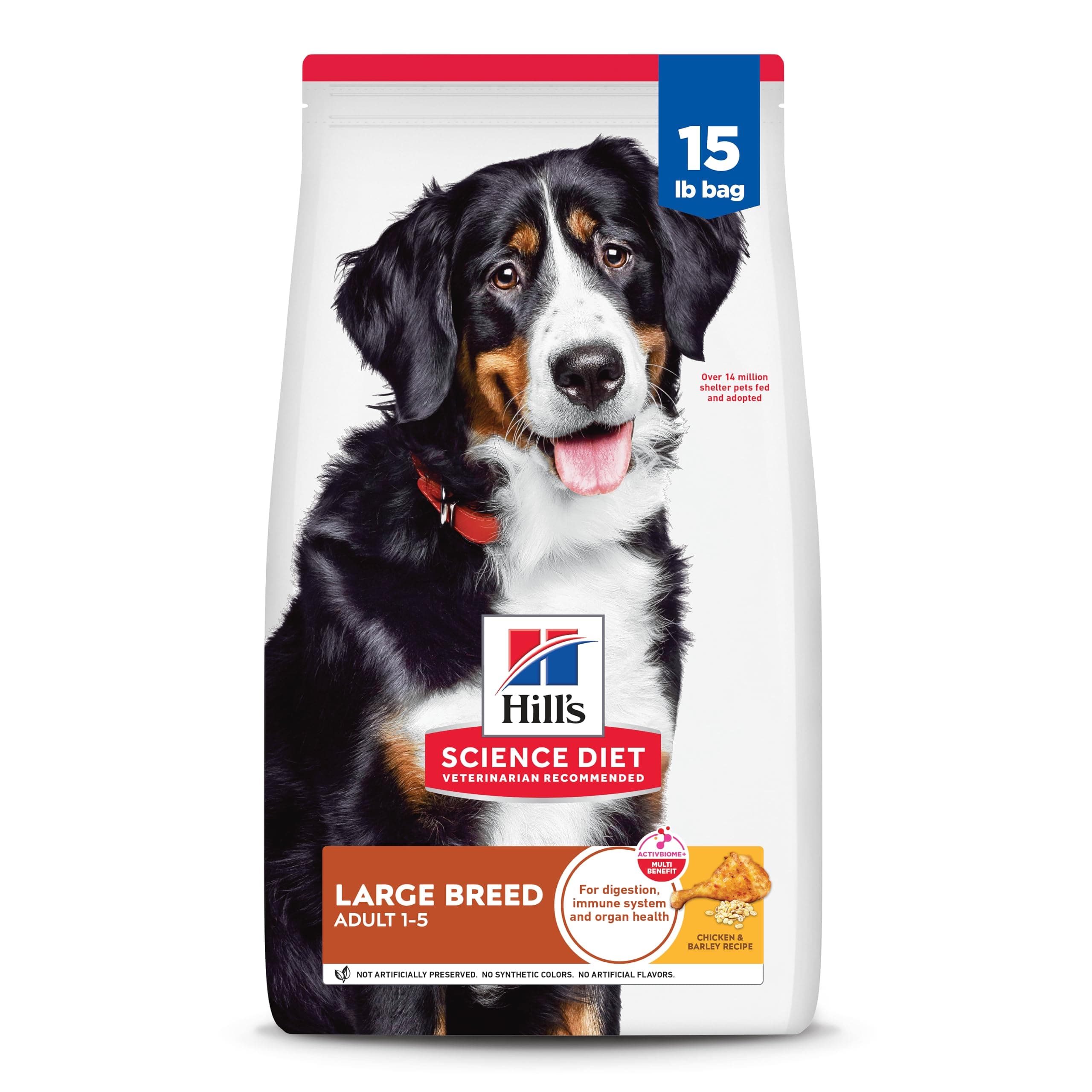
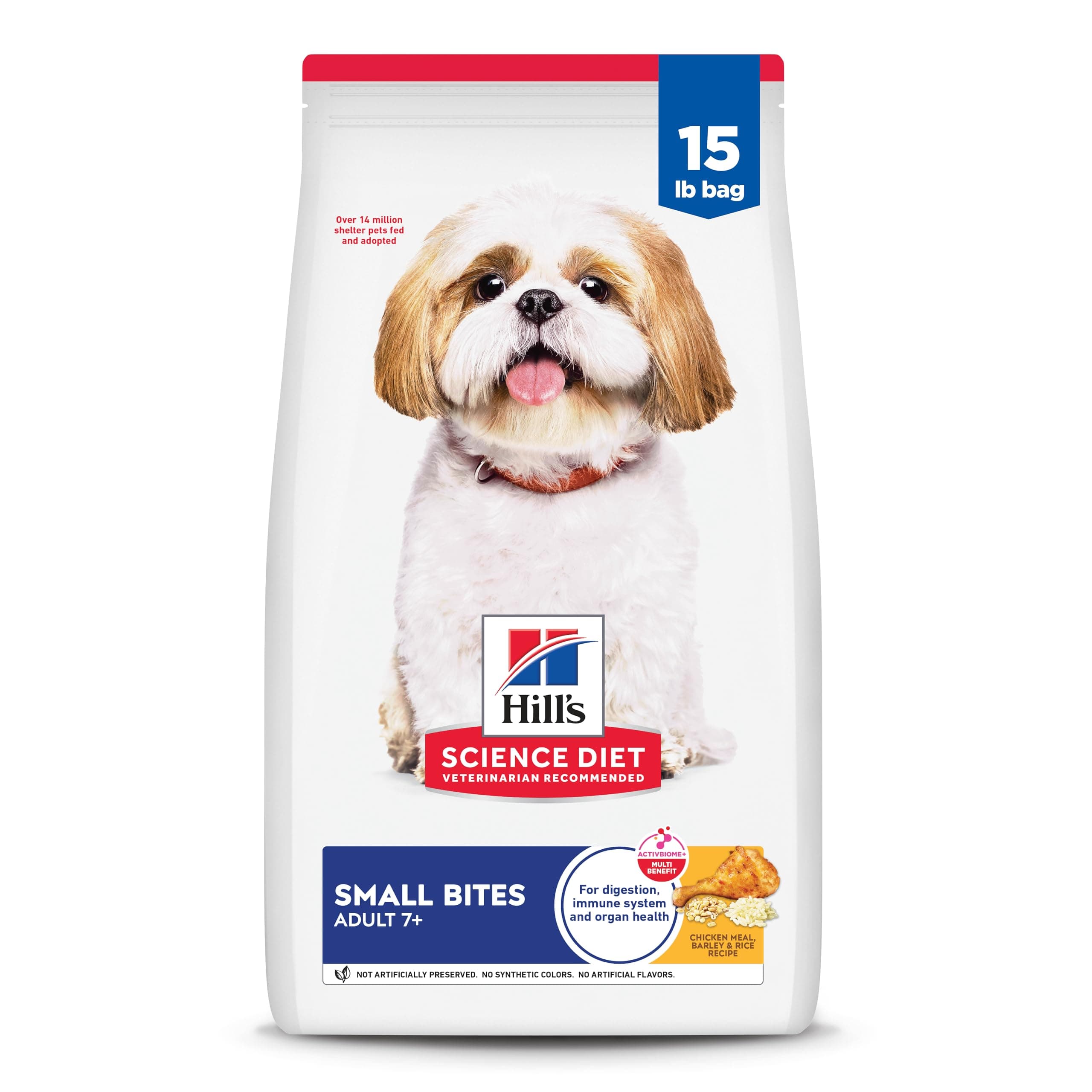
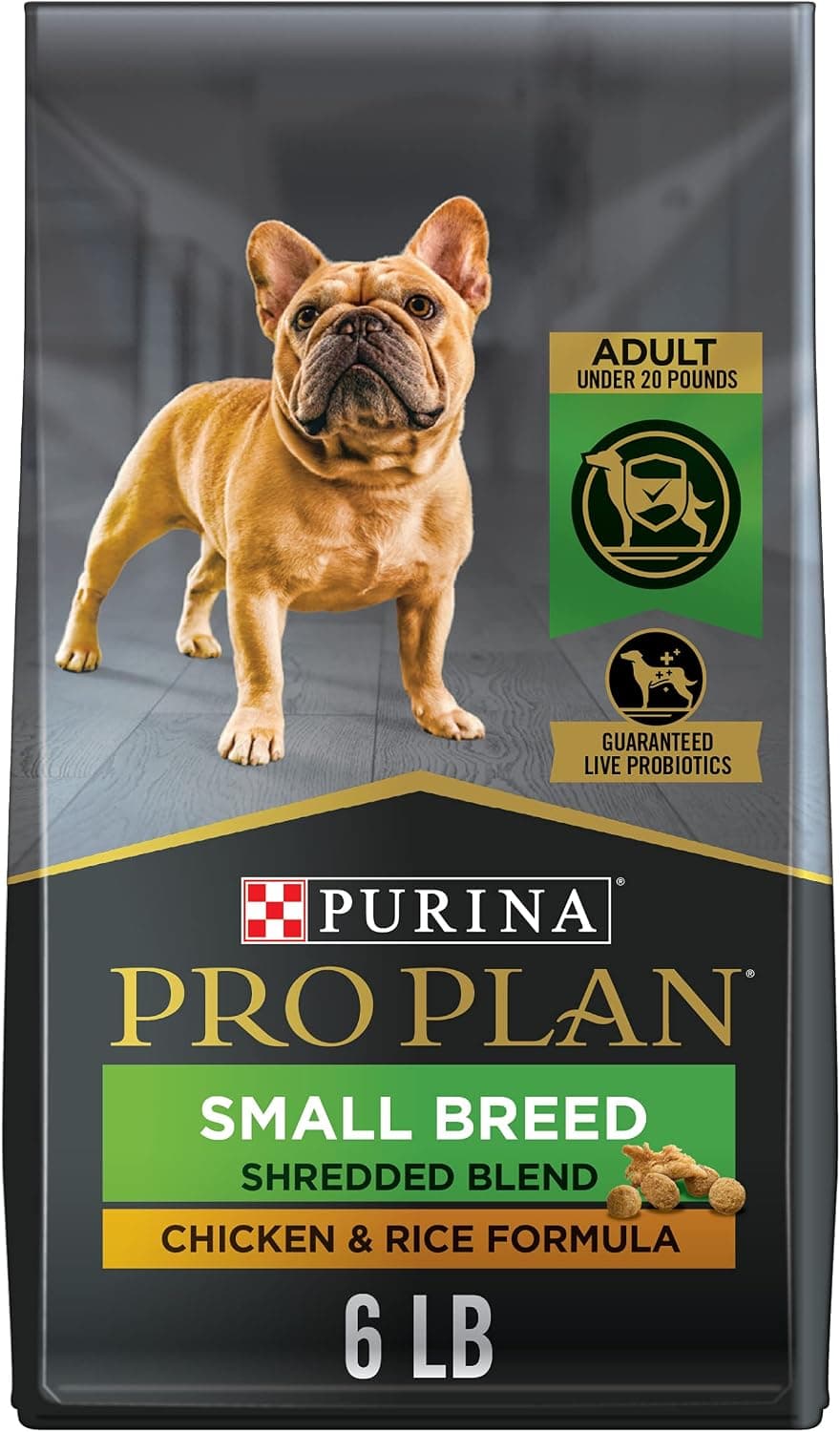
Some manufacturers formulate products specifically for small, medium, large, or giant breeds. When comparing these foods, check the manufacturer’s breed-size and weight recommendations rather than relying on the product name alone.
What Should You Compare in Dog Food?
When comparing dog foods, consider:
- Food type
- Ingredients
- Life-stage suitability
- Dog-size recommendations
- Calorie information when available
- Feeding instructions
- Protein and fat information when available
- Complete versus supplemental feeding
- Dietary preferences or sensitivities
- Package size
- Storage requirements
- Your dog’s individual needs
A product being popular does not automatically mean it is the most appropriate choice for every dog.
DawgAura lets you compare dog food information alongside personalized match scores based on your saved dog’s profile.
Understanding Dog Food Ingredients
Ingredient lists can help you understand what a food contains, but an individual ingredient should not be evaluated in isolation.
The overall formulation, nutritional adequacy, feeding recommendations, and suitability for your individual dog are also important.
If your dog has a known food allergy, intolerance, medical condition, or requires a prescription or therapeutic diet, consult your veterinarian before making significant dietary changes.
Changing Your Dog’s Food
Suddenly changing food may cause digestive upset in some dogs. When moving from one food to another, follow the transition guidance provided by the manufacturer or your veterinarian.
Monitor your dog’s appetite, stool, body condition, and general response during the transition.
Frequently Asked Questions About Dog Food
What is the best dog food?
There is no single dog food that is best for every dog. An appropriate choice depends on factors such as life stage, size, activity, body condition, dietary requirements, and individual preferences.
Is dry or wet food better for dogs?
Neither format is automatically better for every dog. Dry and wet foods differ in moisture, texture, storage, serving, and calorie density. The appropriate option depends on the individual dog and how the food fits into its overall diet.
Can I mix wet and dry dog food?
Wet and dry foods can sometimes be combined, but the total amount fed should take the calories and feeding recommendations of both products into account. Follow manufacturer guidance and seek veterinary advice when your dog has specific dietary requirements.
How do I choose dog food for my dog’s age?
Look for the life stage for which the food is formulated and compare that with your dog’s age and development. Puppies have different nutritional requirements from adult dogs, while older dogs may have individual needs that should also be considered.
How much food should I give my dog?
Start with the feeding guidance provided for the specific food. The appropriate amount can vary according to factors such as body weight, activity, body condition, life stage, and the calorie density of the food.
How do I compare dog foods?
Compare food type, ingredients, nutritional information, life-stage guidance, calories when available, feeding recommendations, dietary considerations, and other characteristics relevant to your dog.
Use DawgAura’s Dog Food comparison and personalized match features to narrow down options before viewing individual products.